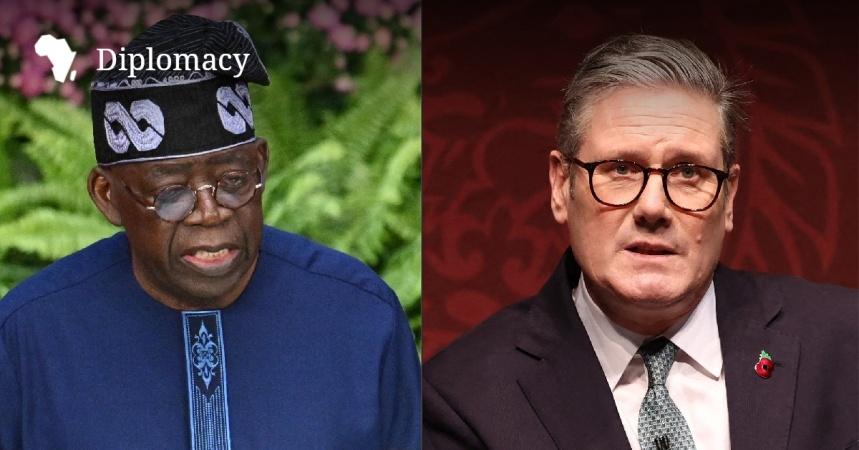
A recent commentary article has posed a direct question about Nigeria's political future, asking which figure can deliver a nation 'filled with milk and honey.' The piece, authored by Joseph Aliu, specifically names President Bola Tinubu, former presidential candidate Peter Obi, and activist Omoyele Sowore as central to this inquiry. This framing injects a biblical metaphor for abundance and prosperity into the early discourse surrounding the 2027 general elections.
The article's title, '2027 Elections: Who Will Make Nigeria The Land Filled With Milk And Honey – Tinubu, Peter Obi, Sowore?', establishes the core political narrative nearly a year before the official campaign period begins. By invoking the phrase 'milk and honey,' the commentary implicitly critiques the current socio-economic conditions and challenges the named figures to present superior visions for national renewal. This rhetorical device shifts the electoral conversation toward promises of tangible improvement in living standards.
President Bola Tinubu, as the incumbent, will inevitably have his first term's record scrutinized against this aspirational benchmark. The commentary places the onus on his administration to demonstrate that its policies are effectively translating into widespread prosperity for citizens. Any re-election bid would require a compelling argument that the nation is on a definitive path toward becoming the 'land' of plenty described in the article.
For Peter Obi, the 2023 presidential candidate for the Labour Party, the question reinforces his established political brand centered on frugality and effective governance. The commentary suggests his potential 2027 campaign must convincingly expand his appeal and policy platform to embody this holistic vision of national transformation. It presents an opportunity to articulate a detailed roadmap from current challenges to future abundance.
Omoyele Sowore, the activist and former presidential candidate of the African Action Congress, is positioned as the third pole in this early speculative triangle. The inclusion of his name indicates a recognition of his persistent critique of the established political order. The commentary challenges him to evolve his message from protest to a concrete, governable plan for achieving the 'milk and honey' prosperity he advocates.
The article's publication signals an acceleration of political narrative-building well ahead of the formal election season. Analysts note that such early framing attempts to set the terms of debate and define the stakes for the electorate. It moves the discussion beyond mere electoral competition to a contest of foundational visions for the country's development trajectory.
This metaphorical benchmark of 'milk and honey' will likely resonate in a nation grappling with economic pressures, security concerns, and demands for improved social services. It creates a high bar for any candidate, demanding specific policy prescriptions rather than vague promises. The coming months will reveal how these and other potential contenders articulate their plans to meet this evocative standard.
The Independent National Electoral Commission has yet to release the official timetable for the 2027 general elections, but political maneuvering and public discourse are already intensifying. The next significant milestone will be the conclusion of the current administration's mid-term, after which formal assessments of its performance against promises like these will become a central feature of the political landscape.