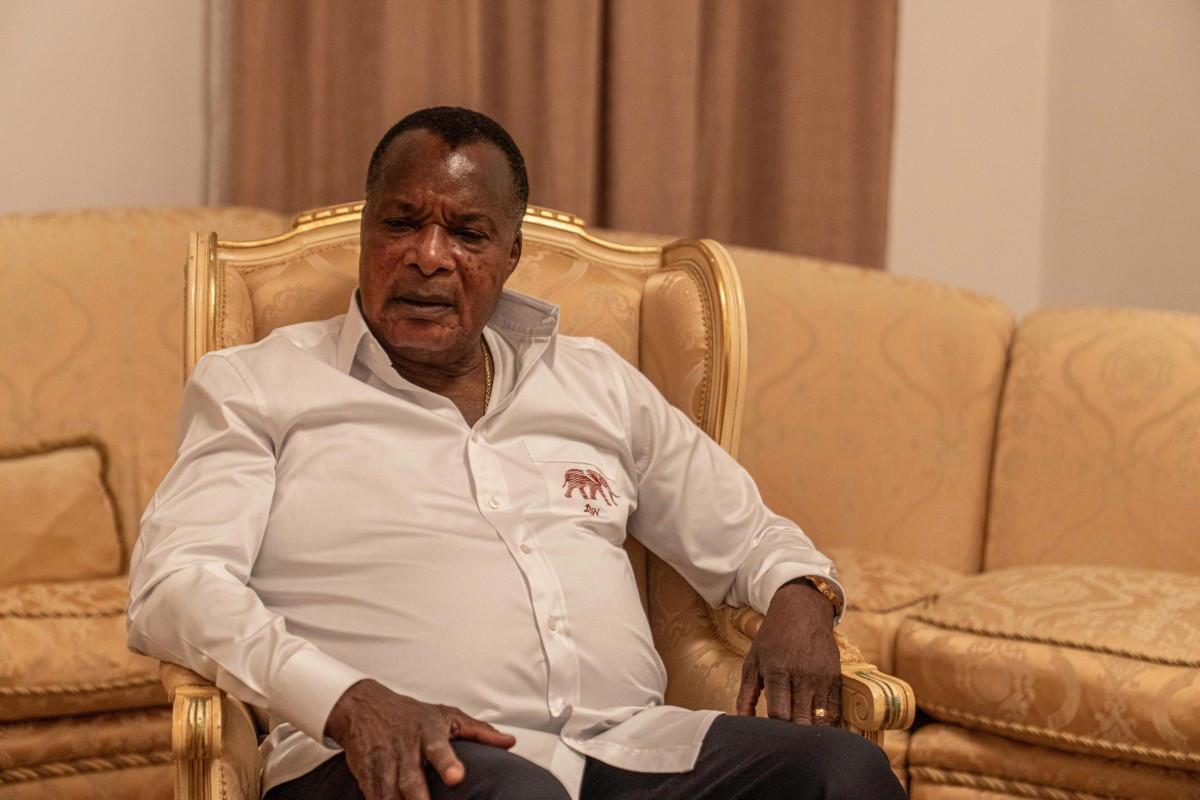
An 82-year-old leader is on track to extend his rule over the Republic of the Congo, often called Congo-Brazzaville, beyond four decades. President Denis Sassou Nguesso, who first came to power in 1979, is the central figure in an election that appears set to prolong one of Africa's longest continuous presidencies. This development underscores the entrenched nature of political power in this Central African nation of roughly 5.5 million people.
A Tenure in Two Acts
Sassou Nguesso's rule spans two distinct periods. He first served as president from 1979 until 1992, when the country held multi-party elections and he lost. After five years out of office, he regained the presidency in 1997 following a brief civil conflict. His return marked the beginning of a second, uninterrupted period of leadership that has now lasted nearly three decades.
The Constitutional Reset
A pivotal moment came in 2015. A national referendum that year removed age and term limits for the presidency, clearing the path for Sassou Nguesso to run again in 2016 and in all subsequent elections. The 2015 vote was approved by over 92% of participants, according to official results, though opposition groups boycotted and criticized the process as illegitimate. This legal change effectively reset the clock on presidential terms, allowing for indefinite re-election.
The Electoral Landscape
Presidential contests under Sassou Nguesso have consistently resulted in decisive victories for the incumbent. The 2016 election, the first held after the constitutional revision, saw him officially win with over 60% of the vote. The most recent election in 2021 delivered a similar outcome, with official results giving him 88% of the vote—again, amid an opposition boycott. These patterns suggest a political landscape where electoral challenges are systematically neutralized, and state institutions remain under the firm control of a single, enduring political network.
The expected extension of Sassou Nguesso's rule places Congo-Brazzaville within a broader discussion about long-serving leaders, constitutional manipulation, and the dynamics of power in certain African states. As the vote concludes, attention turns to the official results and the response from both the Congolese public and the international community.