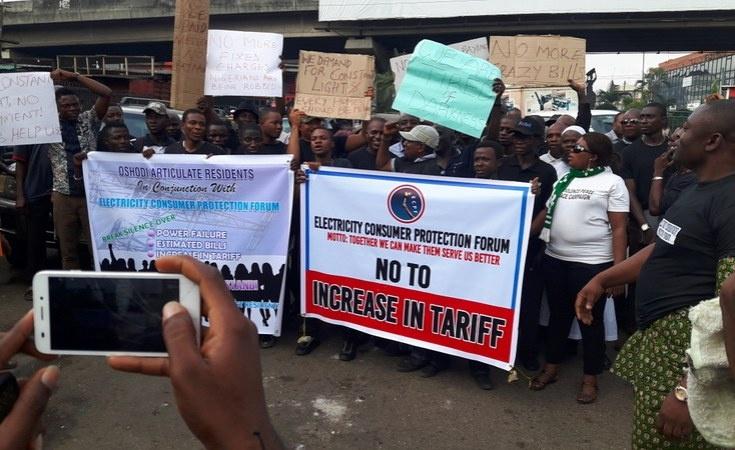
Electricity consumers across Nigeria are voicing a strong opinion that the country's Electricity Distribution Companies, known as DisCos, should be scrapped. This sentiment emerges against a backdrop of ongoing challenges in the power sector, where billing disputes and service delivery remain significant concerns for households and businesses. The call reflects deep-seated frustrations with the current structure of electricity distribution in the nation.
Despite these calls for abolition, recent data shows some progress in a key area: customer metering. In December 2025, DisCos across Nigeria metered 109,556 customers. This monthly effort contributed to pushing the national electricity metering rate to 57.27 percent by the end of that month, according to verified statistics. Metering is crucial for accurate billing and reducing estimated charges, which are a major source of consumer complaints.
By the end of December 2025, a total of 6,966,584 customers had been metered nationwide. This figure is measured against a base of 12,163,412 active electricity consumers registered in the system. The data indicates that while over six million customers now have meters, a gap of more than five million consumers remains without one, highlighting the scale of the task ahead for the sector's regulators and operators.
The Nigerian Electricity Regulatory Commission (NERC) has identified the top-performing operators in this metering drive. Ikeja, Eko, and Abuja DisCos maintained the highest metering rates, each above 76 percent. Their performance stands in contrast to other distribution companies that may be lagging, underscoring the uneven progress across different regions of the country. This disparity often fuels the debate about the effectiveness and equity of the current DisCo model.
In a separate development within Nigeria's political sphere, Hon. Cornelius Ojelabi was on Tuesday re-elected as the state chairman for the ruling All Progressives Congress (APC) in Lagos for a second term. This internal party consolidation occurs as the government grapples with broader economic and infrastructural issues, including the performance of critical sectors like power. Political stability at the state level is often seen as foundational for addressing such national challenges.
Shifting to the international religious stage, Nigeria is hosting a significant gathering this week. A grouping of conservative Anglican churches, the Global Anglican Future Conference (GAFCON), will meet in the country to elect a leader to rival the Archbishop of Canterbury. GAFCON, which was formed in 2008, brings together conservative churches mainly in Africa and Asia and says it now represents a majority of the world's practising Anglicans.
The conference opposes liberal shifts in parts of the Anglican Communion, including the ordination of women and greater inclusion of LGBTQ+ members. The choice of Nigeria as the meeting venue underscores the country's influential role within the global conservative Anglican movement, which has its strongest bases in Africa. This event highlights how Nigeria serves as a pivotal location for both regional economic debates and international religious realignments.
In a related business and technology context, an expert has highlighted a critical issue for African economies. Kehinde Ogundare has stressed that digital trust has become a strategic necessity for small and medium-sized enterprises (SMEs) across Africa as Artificial Intelligence (AI) adoption deepens. This warning is timely, given the staggering economic cost of cybercrime. It is estimated that cybercrime costs are expected to reach $10.5 trillion globally this year, with the African continent losing an estimated 10 per cent of its GDP annually to this threat. For Nigeria, improving digital infrastructure and security is as vital as upgrading physical infrastructure like the electricity grid to foster economic growth and consumer protection.