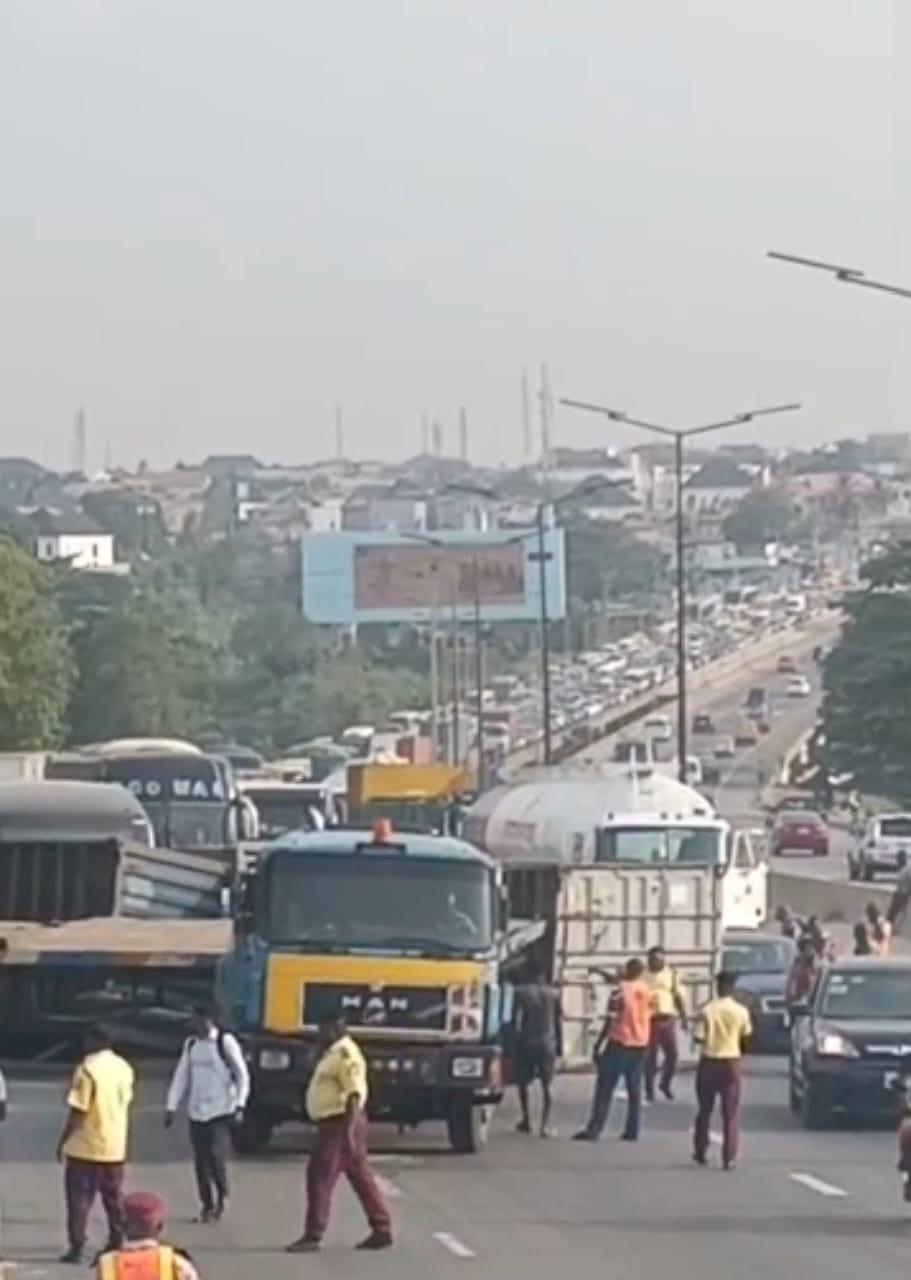
A critical transport link in Lagos, the Otedola Bridge, was rendered impassable for hours after shipping containers fell from a truck onto the roadway. The incident created a physical blockade that halted all traffic flow in the affected lanes.
Immediate Impact and Commuter Stranding
This immediate obstruction triggered a cascading traffic jam that extended for kilometers in both directions, effectively trapping hundreds, if not thousands, of vehicles and their occupants. Motorists caught in the ensuing gridlock reported being stranded for multiple hours with no viable alternative routes. The Otedola Bridge serves as a primary connector between the Lagos-Ibadan Expressway and other major parts of the metropolis, meaning its closure has a disproportionate effect on the city's overall traffic network.
Broader Consequences and Systemic Issues
For those trapped, the hours-long delay translated into missed appointments, lost work hours, and significant personal inconvenience. The situation also posed potential risks for individuals requiring urgent medical attention or facing other emergencies while stuck in the unmoving queue of vehicles. While the verified information does not specify the cause, incidents of falling containers on Nigerian roads are frequently linked to improper securing of loads, vehicle overloading, or poor road conditions. The Otedola Bridge, in particular, has a history of heavy traffic and accidents, making it a known hotspot for such logistical failures.
Recurring Problem and Economic Cost
Each incident of this nature represents a direct test of the enforcement of road safety regulations governing cargo transport. The recurrence of similar events points to systemic issues in compliance and monitoring that extend beyond a single driver or trucking company. In practical terms, an event like this carries a substantial economic cost through the cumulative loss of productive hours for all stranded commuters.