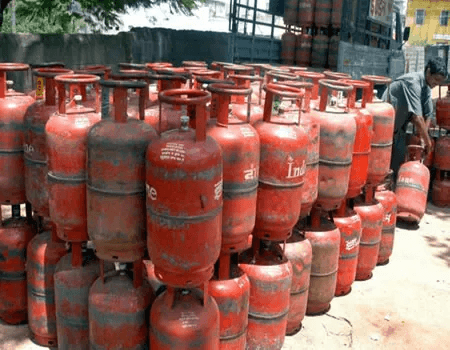
Nigerian families are facing another economic shock as the price of cooking gas has surged by a staggering 40%, reaching N1400 per kilogram. This sharp increase represents a significant blow to household budgets across the country, forcing difficult choices about essential energy needs.
The sudden price hike is directly linked to geopolitical tensions thousands of miles away. According to market analysts, the ongoing crisis in the Middle East - a major global hub for liquefied petroleum gas (LPG) production and export - has disrupted international supply chains. Nigeria, despite having substantial natural gas reserves, remains heavily dependent on imports for its domestic cooking gas supply, making it vulnerable to such global market fluctuations.
For the average Nigerian household, this development translates into immediate financial pressure. Cooking gas, which had become the preferred cleaner alternative to kerosene and firewood, is now becoming increasingly unaffordable. Families may be forced to reduce consumption, revert to more hazardous and polluting alternatives, or reallocate funds from other critical expenses like food, healthcare, and education.
The broader economic implications are equally concerning. This price surge contributes to Nigeria's already high inflation rate, complicating monetary policy efforts to stabilize prices. Small businesses, particularly in the food service and hospitality sectors, face increased operational costs that will likely be passed on to consumers through higher prices.
This situation highlights a persistent paradox in Nigeria's energy sector: despite being Africa's largest natural gas reserve holder, the country continues to import refined petroleum products, including cooking gas. The current crisis underscores the urgent need for developing domestic refining capacity and creating more resilient local supply chains.
As Nigerian households navigate this latest cost-of-living challenge, the cooking gas price spike serves as a stark reminder of how interconnected global events have become with local economic realities.