A Lagos court has sentenced two lawyers representing convicted fraudster Emmanuel Nwude to prison terms for forgery. The judgment, delivered on March 10, 2026, found the attorneys guilty of fabricating court documents in a case connected to Nwude's earlier multi-million dollar fraud conviction. This marks a rare instance of legal professionals facing incarceration for misconduct directly tied to a notorious financial crime saga.
Emmanuel Nwude himself remains a central figure in one of Nigeria's most infamous financial scandals. He was convicted in 2005 for orchestrating a $242 million advance-fee fraud, often cited as one of the largest in African history. The scheme involved impersonating a central bank governor to defraud a Brazilian bank. Nwude's subsequent legal battles have spanned decades, creating a complex web of asset recovery and litigation.
The recent forgery case stems from attempts by Nwude's legal team to manipulate court records during these protracted proceedings. Prosecutors presented evidence showing the lawyers altered official documents to gain an advantage in a civil suit related to the seizure of Nwude's assets. The fabricated papers purported to be authentic court orders, but forensic analysis exposed inconsistencies in signatures and official stamps.
Justice Adekunle Adesina, presiding over the case, stated the forgery constituted a direct attack on the integrity of the judicial system. He emphasized that legal practitioners bear a heightened duty to uphold the law, not subvert it. The sentence aims to deter similar misconduct, especially in high-stakes financial crime cases where asset recovery efforts are ongoing.
This ruling arrives amid a broader judicial push to clean up Nigeria's legal profession, which has faced criticism over ethical lapses. The Nigerian Bar Association has recently pledged stricter disciplinary measures for members who engage in fraud or forgery. Legal observers note that prosecuting lawyers, rather than just disbarring them, signals a more aggressive stance from the bench.
The conviction of Nwude's lawyers also complicates the already tangled asset recovery process from his original fraud. Government agencies have spent years trying to locate and seize properties and funds linked to the $242 million scam. Forged court documents could have derailed these efforts, potentially allowing hidden assets to remain out of reach.
Nwude, currently serving his sentence, was not a defendant in this forgery trial. However, the court's findings suggest his legal representatives acted in a manner intended to benefit his position. This raises questions about whether instructions came from the convict himself or whether the lawyers acted independently, a point the judgment did not conclusively determine.
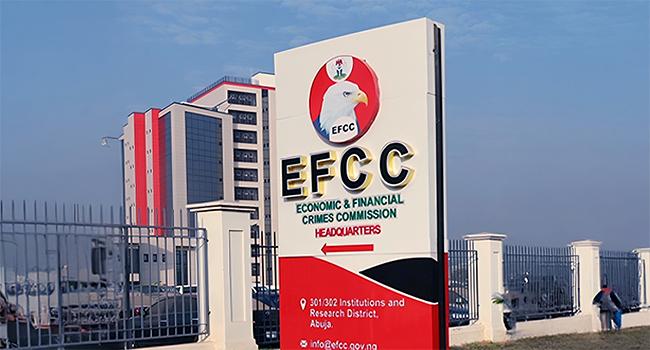
The two convicted lawyers are expected to appeal the verdict, with filings due within the next 30 days. Meanwhile, the Economic and Financial Crimes Commission has indicated it will review all past cases handled by the implicated attorneys for potential fraud. This judicial action sets a precedent likely to influence how courts handle attorney misconduct in future high-profile financial crime litigation.