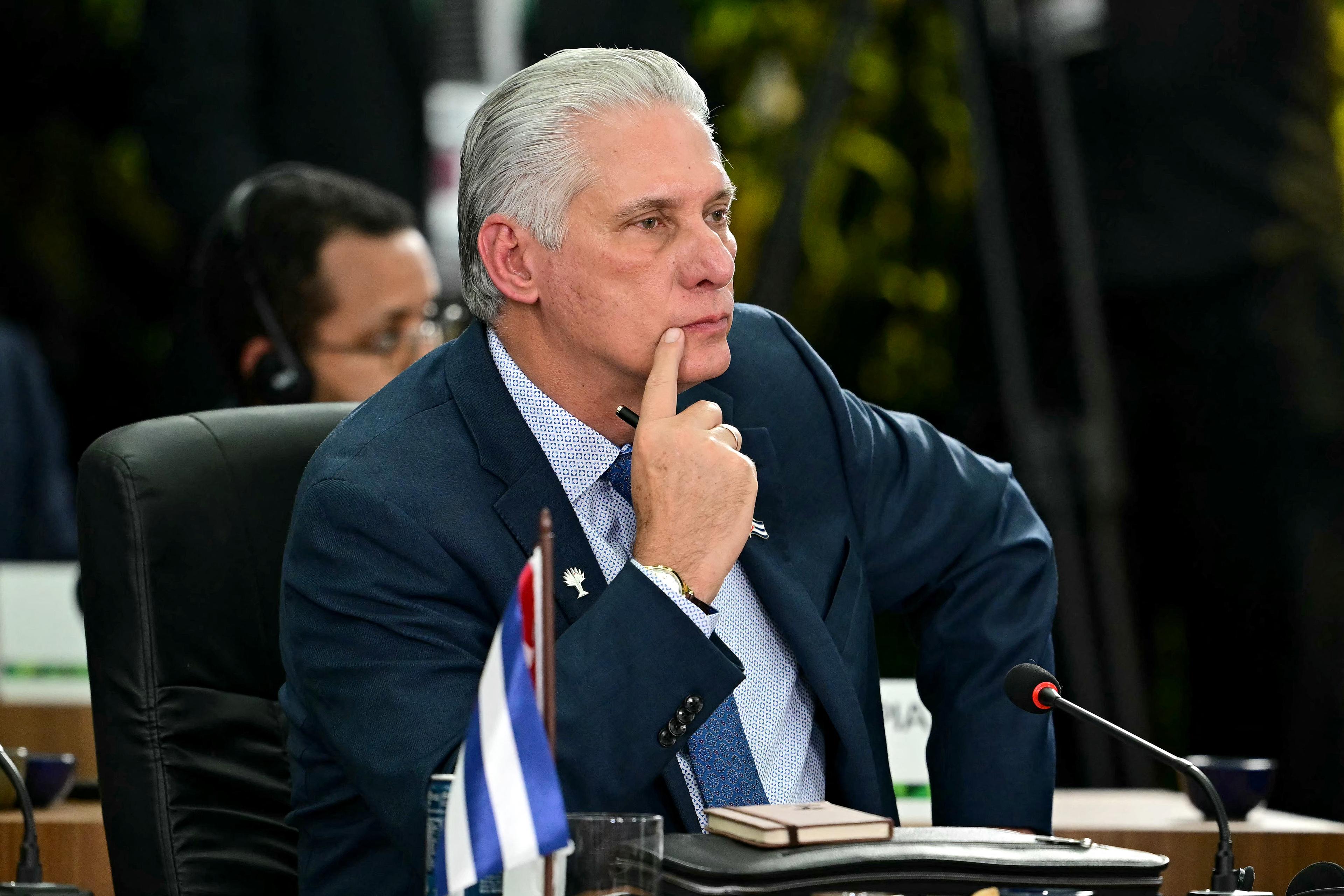
Cuba has officially confirmed it is engaged in direct talks with the United States, marking a significant and rare public acknowledgment of dialogue between the two long-time adversarial nations. This confirmation arrives as the Caribbean island grapples with a deepening and critical shortage of oil, a crisis that has led to widespread power outages, crippled transportation, and inflicted severe economic hardship on the Cuban population.
The Context of Crisis
The talks, while their specific substance remains undisclosed, represent a potential diplomatic opening at a moment of acute vulnerability for the Cuban state. Cuba's economy and essential public services are heavily dependent on imported fuel, historically sourced from political allies like Venezuela. Recent disruptions in these supply chains, compounded by the decades-long U.S. economic embargo, have created a perfect storm of scarcity. The government's decision to publicly acknowledge the discussions underscores the severity of the situation and the pressure it is under.
A History of Hostility
U.S.-Cuba relations have been defined by political hostility and a comprehensive economic embargo for over six decades, with only brief periods of thawing. Therefore, the establishment of any official communication channel is a notable development in itself. Analysts suggest the current negotiations are almost certainly focused on securing humanitarian or economic exceptions to the U.S. sanctions regime, which strictly limits trade and financial transactions with the island. Energy, as a fundamental prerequisite for national stability, serves as a powerful point of leverage in these diplomatic engagements.
Domestic Risks and Geopolitical Calculus
The confirmation indicates that previous, lower-level contacts may have progressed to more substantive discussions. It also reveals that the Cuban government views the oil shortage as a threat significant enough to warrant public diplomacy with its primary geopolitical opponent—a move that carries domestic political risk. Acknowledging talks from a position of weakness could be perceived as desperation by the ruling Communist Party's base. However, the dire circumstances of blackouts and economic standstill appear to have outweighed these concerns.
From the U.S. perspective, engagement with Cuba presents a complex mix of humanitarian opportunity and geopolitical calculation, testing the boundaries of a long-standing policy of maximum pressure.