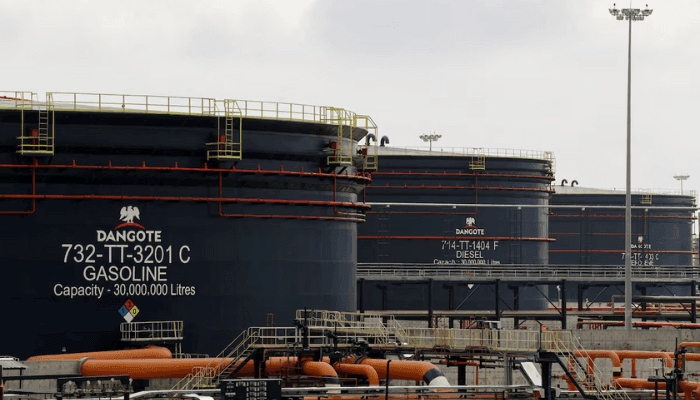
Nigeria's newly operational Dangote Refinery is rapidly emerging as the country's critical energy lifeline. This shift in strategic importance comes at a pivotal moment, as refinery operations face significant challenges worldwide, creating supply gaps and price volatility. The colossal facility, situated in Lagos, is now positioned to meet a substantial portion of Nigeria's domestic demand for refined petroleum products, marking a historic turning point.
Ending the Import Paradox
For decades, Nigeria has been trapped in an energy paradox: a top exporter of crude oil that simultaneously imported nearly all its refined fuel. This reliance on foreign refineries left the nation's economy and energy security exposed to global market fluctuations and logistical disruptions. The Dangote Refinery, one of the world's largest single-train facilities, was conceived and constructed to directly address this persistent structural weakness in Africa's largest economy.
A Lifeline at the Right Time
Its emergence as a domestic source of fuel is particularly timely. Industry reports indicate that several refineries in key regions across Europe, the United States, and Asia are currently offline or operating below capacity. This is due to a combination of planned maintenance cycles and unplanned technical outages. These international constraints have tightened the global supply of essential fuels like gasoline, diesel, and aviation fuel, pushing prices upward and creating significant uncertainty for import-dependent nations.
From Vulnerability to Potential Powerhouse
Within this tense global context, the Dangote Refinery's ability to produce refined products domestically offers Nigeria a crucial buffer. Analysts note the facility has the capacity to supply all of Nigeria's consumption needs for key fuels and still generate a surplus for export to neighboring West African countries. This potential for self-sufficiency and regional export represents a monumental change for Africa's most populous nation and its largest oil producer.
Economic Impact Beyond the Pump
The refinery's impact extends far beyond simply keeping fuel flowing. By processing Nigerian crude oil within its own borders, the country can finally capture more value from its vast natural resources. This value capture includes creating thousands of direct and indirect jobs in the refining and petrochemical sectors, drastically reducing the billions of dollars in foreign exchange spent annually on fuel imports, and providing foundational support for strengthening the national currency, the Naira. The successful and sustained operation of the Dangote Refinery could redefine Nigeria's economic trajectory for decades to come.