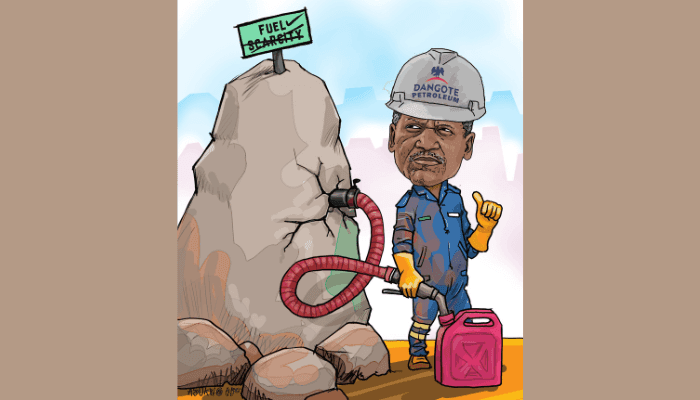
In a significant market development, Dangote Petroleum Refinery has announced price reductions for both petrol and diesel at the ex-depot level. This strategic move aims to make fuel more affordable for distributors and, ultimately, consumers at filling stations across Nigeria.
The Supply Shock
However, this price cut arrives against a backdrop of alarming supply constraints. February data reveals Nigeria's domestic petrol supply experienced a dramatic contraction, falling to 39.6 million litres per day from 64.9 million litres per day in January. This represents a staggering 38.9% decrease in just one month, raising serious questions about fuel availability nationwide.
Dangote's Dominant but Declining Role
Interestingly, Dangote's own contribution to petrol supply also declined during this period, dropping to 36.5 million litres per day in February from 40.1 million litres per day in January. While the refinery remains the dominant supplier, it cannot compensate for systemic losses elsewhere in Nigeria's fuel ecosystem.
The Ghost Refineries
The continued inactivity of Nigeria's state-owned refineries exacerbates the supply crisis. These facilities contributed zero litres to domestic petrol production in February as rehabilitation works remain ongoing. This creates a substantial supply gap that Dangote alone cannot fill, despite its massive capacity.
Diesel: A Silver Lining
In contrast to petrol, Automotive Gas Oil (diesel) supply showed positive movement, increasing to 24.4 million litres per day in February from 18.9 million litres per day in January. Dangote's price reduction for diesel could provide meaningful relief to businesses and industries that depend on it for power generation and transportation.
Economic Implications
Fuel prices and availability form the bedrock of Nigeria's economy, influencing transportation costs, food prices, and overall inflation. Sharp supply contractions create market pressures that often manifest as fuel queues, black market activity, and increased living expenses for ordinary Nigerians.
The simultaneous occurrence of price reductions and supply constraints presents a complex scenario for policymakers, distributors, and consumers alike. Market observers will closely monitor whether Dangote's price adjustments stimulate distribution or if structural refinery issues continue to constrain Nigeria's fuel market in the coming months.