In a significant move for Nigeria's economy, the Dangote Petroleum Refinery has announced a ₦100 reduction in the price of petrol, setting a new benchmark of ₦1,075 per litre. The announcement, made on March 10, 2026, marks a direct and powerful intervention by the domestic refining giant into a market long defined by imports and subsidies.
A Historic Shift from Import Dependence
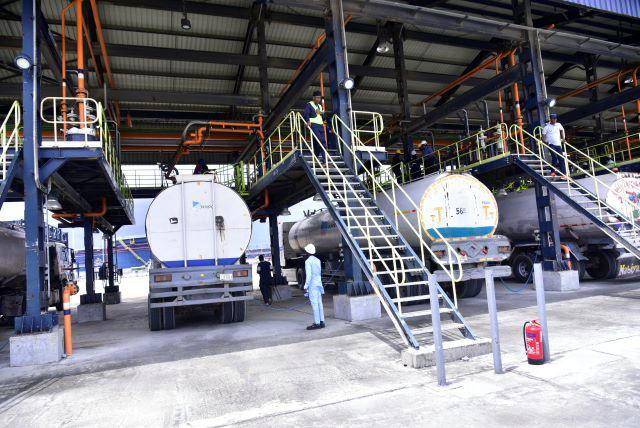
For the first time in Nigeria's history, a large-scale domestic facility is producing and pricing petrol for the local market. The $20 billion Dangote Refinery, operational since late 2023, is leveraging its integrated model—processing crude oil locally—to bypass the exorbitant costs of international shipping, port demurrage, and foreign exchange volatility associated with imports. This efficiency is the bedrock of its new pricing power.
Implications for Consumers and the Economy
The immediate benefit of a lower pump price is clear: reduced costs for transportation and business operations. If sustained and passed through the distribution chain, this reduction could help mitigate the inflationary pressures partly driven by high energy costs. However, the new price of ₦1,075 remains above the old subsidized rates, underscoring the government's exit from direct price control.
The Road Ahead: Market Alignment or Disparity?
The key question now is whether other fuel marketers will align their prices with this new Dangote-led ceiling. Market analysts are watching closely to see if this triggers nationwide price harmonization or if significant regional disparities persist. The Dangote Refinery's price cut is more than a discount; it's a potential catalyst for a fundamental restructuring of Nigeria's fuel supply chain and pricing dynamics.