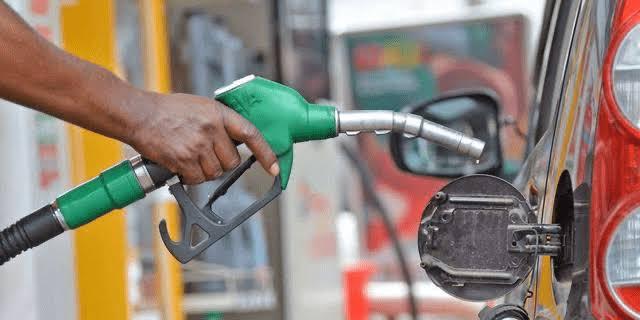
The Dangote Refinery has announced a significant new price for its petrol, setting it at ₦1,175 per litre. This move marks the refinery's first major pricing decision since commencing operations and is directly attributed to the global crude oil benchmark reaching $100 per barrel.
A New Reference Point for the Market
This ₦1,175 figure is more than just a price tag; it establishes a critical reference point for petrol sold directly from Nigeria's largest domestic refinery. It will serve as a key data point for market analysts, distributors, and consumers, influencing pricing expectations and calculations across the entire downstream sector. For the first time, there is a concrete cost to gauge against the price of imported alternatives.
The Direct Link to Global Markets
The refinery has made it clear: its pricing is now explicitly tied to international crude oil markets. The $100 per barrel price is a fundamental input cost for production. This direct linkage demonstrates that even fuel produced within Nigeria's borders will reflect global commodity price fluctuations, moving the domestic market closer to international pricing realities.
The End of the Subsidy Era for Consumers
For Nigerian consumers and businesses, the new price signals the conclusive end of an era of heavily subsidized pump prices. At ₦1,175 per litre, the cost is substantially higher than previously maintained rates. This shift places a greater direct financial burden on end-users but aligns with the federal government's long-stated policy of removing the costly fuel subsidy regime.
Economic Implications and the Road Ahead
The Dangote Refinery's pricing carries immense weight for the national economy. As a major supplier, its prices will directly affect transportation costs, inflation metrics, and the operating expenses of countless industries. This move is a critical test of the market's capacity to absorb price increases driven by local production costs rather than import logistics.
Analysts will now watch closely to see how this ₦1,175 price interacts with the landing cost of imported petrol. The refinery's core aim of achieving energy security and potentially lowering prices through local production faces its first major public test with this initial hike. The coming weeks will reveal whether local refining can provide price stability or simply introduces a new variable into Nigeria's complex fuel pricing equation.