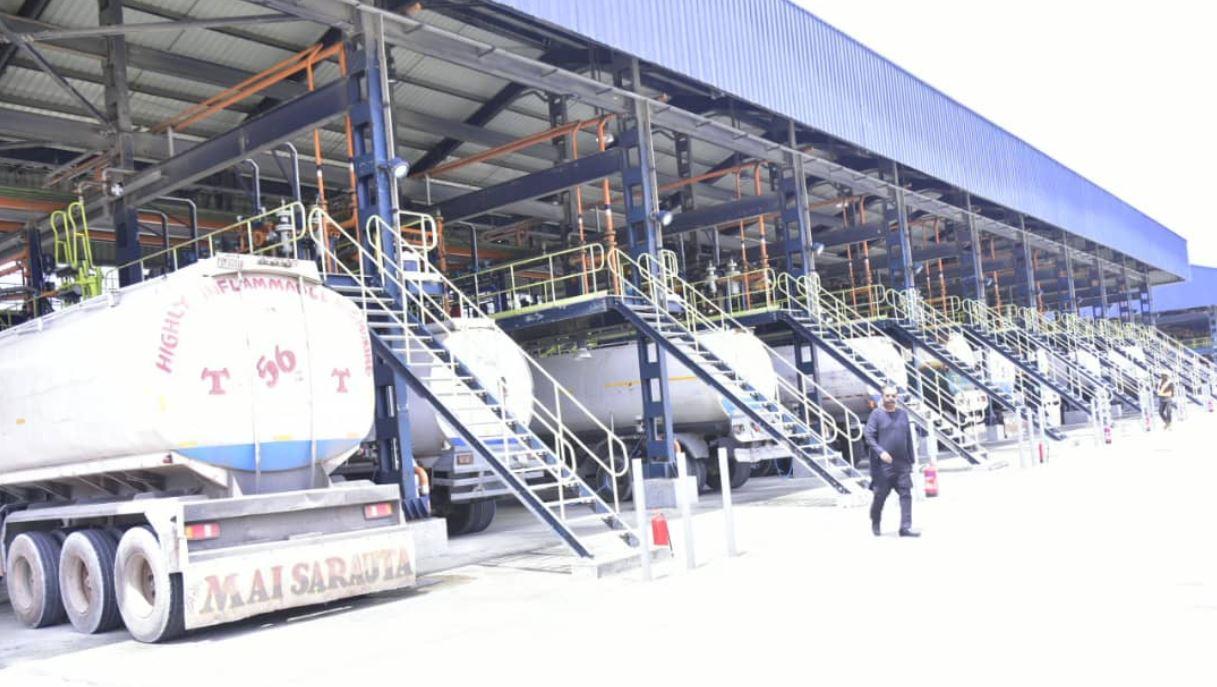
The Dangote Refinery, heralded as a cornerstone of Nigeria's energy independence, has announced a significant increase in the price of its Premium Motor Spirit (PMS), commonly known as petrol, to N995 per liter. This move marks the facility's first major public price adjustment since commencing operations and serves as a stark indicator of its integration into the global oil market.
From National Hope to Market Realist
For years, the Dangote Refinery was viewed as a potential shield for the Nigerian economy from the volatility of international crude oil prices. The expectation was that a domestic refining giant could decouple local fuel costs from global swings. However, this price hike to N995 per liter demonstrates a different reality: the refinery's economics are inextricably tied to the cost of its raw material—internationally traded crude oil.
Setting a New Benchmark
This is not merely a routine price change. The Dangote Refinery's pricing now acts as a critical benchmark for the entire Nigerian fuel supply chain. As the largest single source of refined products on the continent, its price establishes a new cost floor. When Dangote's price rises, it creates upward pressure on prices set by other importers and distributors, effectively reshaping the market's pricing landscape overnight.
The Global Context: Crude on the Rise
The hike is a direct response to a sustained surge in global crude oil prices, driven by production cuts from major oil-producing nations and ongoing geopolitical tensions. The refinery operates on a commercial basis, meaning increased input costs are inevitably passed through to the price of the finished product. This fundamental economic principle delivers a tough lesson to consumers and businesses who had hoped for insulation from these external forces.
Implications for Policy and Consumers
The move presents a complex challenge for the Nigerian government. Officials have frequently pointed to the Dangote Refinery as a long-term solution to the problems associated with fuel subsidy removal and price instability. The refinery's market-driven pricing now highlights the very volatility it was expected to mitigate. For the average Nigerian consumer and business owner already grappling with high inflation, this development signals that the promise of consistently cheaper and more stable fuel may be more elusive than previously thought.
The N995 price point is more than a number—it's a signal that Nigeria's fuel market is entering a new, more internationally exposed phase, with the Dangote Refinery firmly at its center.