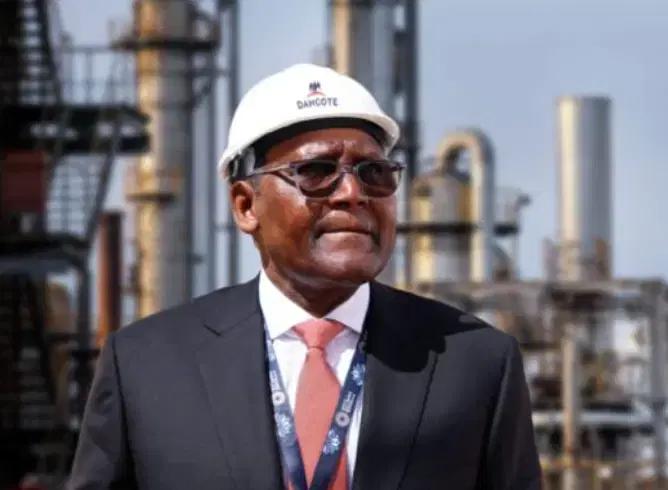
The Dangote Refinery, a cornerstone of Nigeria's ambitions for energy self-sufficiency, recently announced a reduction in the price of its petrol. However, this anticipated move towards affordability has hit a wall at the retail level. As of March 2026, consumers across Nigeria continue to pay approximately ₦1,300 per litre for petrol—a price point that imposes a severe burden on household budgets and business operations.
The Promise vs. The Reality
The Dangote facility, one of the world's largest single-train refineries, was inaugurated with the dual promise of reducing Nigeria's dependence on costly fuel imports and stabilizing domestic prices. Its recent price adjustment was a direct step toward fulfilling that second pledge. Yet, the expected trickle-down effect—where refinery savings lead to cheaper fuel at the pump—has not occurred. This disconnect raises critical questions about the structure of Nigeria's downstream petroleum sector.
Where Do the Savings Go?
Several entrenched factors insulate the retail pump price from direct refinery pricing:
- Logistics & Distribution: Costs for transportation, storage, and handling remain significant and are often passed directly to the consumer.
- Marketer Margins: Retailers and distributors operate with their own profit margins, which may not adjust downward immediately or proportionally.
- Fixed Levies and Taxes: Government-regulated charges, such as the Petroleum Motor Spirit (PMS) levy, form a non-negotiable component of the final price.
- Broader Market Dynamics: The foreign exchange rate for importing any remaining fuel deficits and overall national supply logistics continue to exert upward pressure on the market.
Impact on the Nigerian Economy
The sustained high price of petrol acts as a powerful inflationary force. Transport costs for individuals and goods remain elevated, which cascades into higher prices for food, services, and commodities. Small and medium-sized enterprises, many of which rely on petrol generators due to an unreliable national grid, face exponentially higher operational costs, threatening their viability and stifling job creation.
Looking Ahead
The situation underscores that the mere presence of a large-scale domestic refinery is not a silver bullet for fuel pricing. Achieving meaningful and sustained price relief requires a holistic approach addressing the entire supply chain, from refinery gate to retail outlet. The coming months will be a critical test of whether increased domestic supply volumes from Dangote can eventually overwhelm the structural costs and finally deliver the long-promised relief to Nigerian consumers.