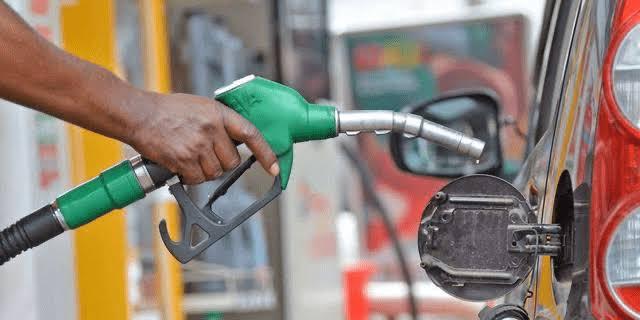
The Dangote Refinery, Nigeria's massive private oil processing facility, has announced a significant increase in the price of petrol, setting it at ₦1,175 per litre. This decision is directly attributed to the global benchmark price of crude oil reaching $100 per barrel.
Understanding the Dangote Refinery
Built by Aliko Dangote, Africa's richest person, the refinery is a colossal industrial project designed to refine crude oil into petroleum products like petrol (PMS), diesel, and jet fuel. For decades, Nigeria—a major oil producer—paradoxically relied on expensive fuel imports due to the inefficiency of its state-owned refineries. The Dangote Refinery, which recently commenced operations, promised to revolutionize this dynamic and achieve national self-sufficiency.
The Direct Link: Crude Costs and Fuel Prices
The refinery's management has explicitly connected this price hike to the cost of its primary raw material. Crude oil, traded internationally, is priced per barrel (approximately 159 litres). When this global price rises, the cost of production for refineries increases accordingly, even if they source some crude domestically. The ₦1,175 price tag reflects this commercial reality, with the refinery opting not to absorb the higher cost or offer a subsidized rate to the market.
A New Commercial Era for Nigerian Fuel
This pricing move is pivotal. It signals the refinery's operation on a strictly commercial basis, responsive to international market forces. It marks a departure from the previous model where the Nigerian government spent billions subsidizing imported fuel, selling it at a loss to maintain artificially low pump prices for consumers. The Dangote Refinery's approach introduces a new, market-linked paradigm for fuel pricing in Nigeria, with significant implications for the economy, inflation, and consumer spending.