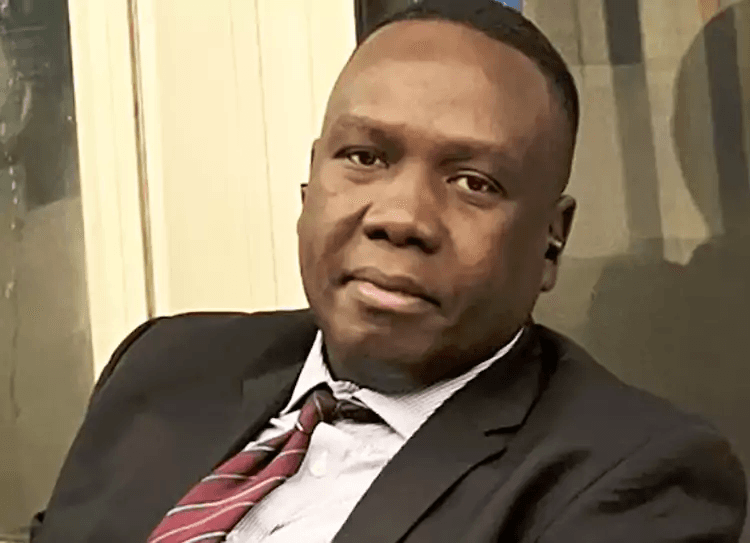
Daniel Bwala, known for his role as spokesperson for the Atiku Abubakar presidential campaign, has leveled a serious allegation against international broadcaster Al Jazeera. He claims the network edited his interview in a way that fundamentally misrepresented his statements about Nigerian politics.
The Allegation
Bwala asserts that while he answered questions with deliberate care during recording, the broadcast version was "cut and rearranged" to alter his intended meaning. Though he hasn't specified the exact edits or content in question, the accusation itself carries significant weight given Al Jazeera's global reach and influence in African affairs reporting.
Credibility at Stake
For Al Jazeera, which positions itself as a leading international news source, such allegations strike at the core of its journalistic credibility. The network's reporting on African politics is widely watched by governments, opposition groups, and the public, making editorial decisions particularly scrutinized. An accusation of manipulative editing from a recognizable political figure immediately places the broadcaster on the defensive.
Strategic Public Complaint
Bwala's decision to voice this complaint publicly, rather than through private channels, appears strategic. By taking his grievance directly to the public sphere, he frames the incident not as a minor production error but as a deliberate act of misrepresentation. This approach invites his supporters and critics alike to question the veracity of the broadcasted segment and potentially other reporting from the outlet.
Nigerian Political Context
The dispute cannot be separated from Nigeria's heated political environment, where communication is a high-stakes game. Political figures are increasingly vigilant about media representation, and allegations of editorial manipulation can quickly become political tools.
Broader Implications
This incident raises important questions about international media coverage of African politics, editorial standards in digital editing environments, and the relationship between political figures and global news organizations. As audiences await Al Jazeera's response, the case highlights ongoing tensions between media representation and political messaging in today's complex information landscape.