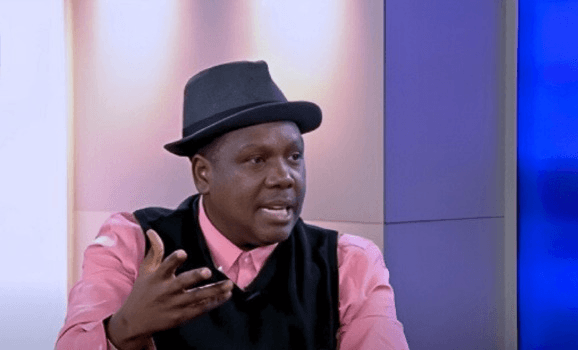
In the charged atmosphere of Nigeria's 2023 presidential campaign, a quiet conversation between two political figures has now come to light, revealing the intricate web of alliances and recruitment efforts that define the nation's high-stakes elections. Daniel Bwala, a lawyer and former spokesperson for the Peoples Democratic Party's candidate Atiku Abubakar, has made a public claim that Peter Obi, the candidate of the Labour Party, tried to bring him onto his team. This allegation, shared by Bwala himself, provides a window into the behind-the-scenes efforts by candidates to secure key political operatives and influencers ahead of the pivotal vote. The 2023 race was one of the most competitive in Nigeria's recent history, making such recruitment attempts a critical, if often unseen, part of the political battlefield.
Bwala's statement centers on a direct approach from Peter Obi, the former Anambra State governor whose third-party candidacy upended traditional political calculations. The claim suggests Obi was actively seeking to bolster his campaign's strategic and communications firepower by reaching across political lines. For a candidate running on a platform of change and newness, recruiting established figures from other parties could have been a tactic to bridge experience gaps and broaden appeal. Bwala, known for his media presence and legal acumen, would have represented a significant acquisition for any campaign team looking to navigate Nigeria's complex political and legal landscape.
The context of this alleged recruitment attempt is crucial. The 2023 election saw Peter Obi's Labour Party emerge as a formidable force, challenging the dominance of the All Progressives Congress and the Peoples Democratic Party. His campaign, fueled by a passionate youth movement dubbed 'Obidients,' needed seasoned professionals to manage its sudden surge and institutional challenges. Recruiting someone like Bwala, who had deep roots in the PDP and experience at the highest levels of a national campaign, would have been a strategic coup. It points to the Labour Party's efforts to professionalize its operations and counter narratives from more established political machines.
Daniel Bwala ultimately remained with the PDP campaign, serving as a key spokesperson for Atiku Abubakar. His decision to stay put, despite Obi's alleged overture, underscores the powerful loyalties and ideological divides that characterize Nigerian politics. The fact that Bwala is now revealing this interaction publicly, well after the election's conclusion, adds a new layer to the post-election analysis. It invites questions about why this information is surfacing now and what it signifies about the ongoing political realignments and reflections within Nigeria's opposition circles. Such revelations often serve to reshape historical narratives about a campaign's strategies and missed opportunities.
Public reactions to Bwala's claim will likely split along familiar political lines. Supporters of Peter Obi may view it as evidence of his pragmatic approach to building a competent team, seeking the best talent regardless of prior affiliation. Critics, however, might frame it as an admission of his campaign's initial lack of experienced insiders, or even as a sign of desperation in a heated race. For neutral observers, the story is a textbook example of the high-stakes talent wars that occur invisibly during elections, where securing a single influential advocate can shift media coverage and elite perception.
The broader significance of this allegation lies in its demystification of campaign mechanics. Voters often see the public rallies, television debates, and social media posts, but the private negotiations for key personnel are just as decisive. This recruitment attempt, whether successful or not, shows that Peter Obi's campaign was engaged in the granular, practical work of political construction beyond its populist image. It complicates the simplistic narrative of a purely grassroots movement, revealing a parallel track of elite political engagement and negotiation that operated alongside the mass mobilization.
As Nigerian politics continues to evolve after the 2023 elections, stories like these contribute to the understanding of that pivotal moment. They help map the strategic decisions, outreach efforts, and personal choices that collectively determined the election's trajectory. The fact that a figure like Bwala chose to disclose this interaction suggests a continuing dialogue about that period and its lessons for future contests. It also highlights how political actors manage their reputations and legacies in the aftermath, using revelations to position themselves within ongoing national conversations.
Looking ahead, this claim may resurface in future political discourse, especially as Peter Obi remains a central figure in opposition politics and speculation about the next electoral cycle begins. The relationships and outreach efforts from 2023 will inform alliances and strategies for subsequent campaigns. For now, Daniel Bwala's account stands as a specific, personal anecdote from the trenches of a historic election, a reminder that beneath the grand slogans and mass rallies, politics remains a human endeavor built on conversations, offers, and choices made behind closed doors.


