The news spread fast through the market this morning, whispered between stalls selling yam and plantain. The Defence Minister has called the service chiefs in. For people here, it’s a sign things have gotten bad enough that the big men in Abuja can’t ignore it any longer. We’ve all felt it—the roads you think twice about traveling, the markets that close early, the sound of gunfire that’s become a part of the night.
This summons isn’t just a meeting in an air-conditioned office. It’s a direct response to the fear that’s settled in our homes. Parents are scared to send their children to school in some areas. Farmers can’t reach their fields. The small bus that brings goods from the next town doesn’t run as often anymore, and when it does, the fare has doubled. This is the insecurity we live with.
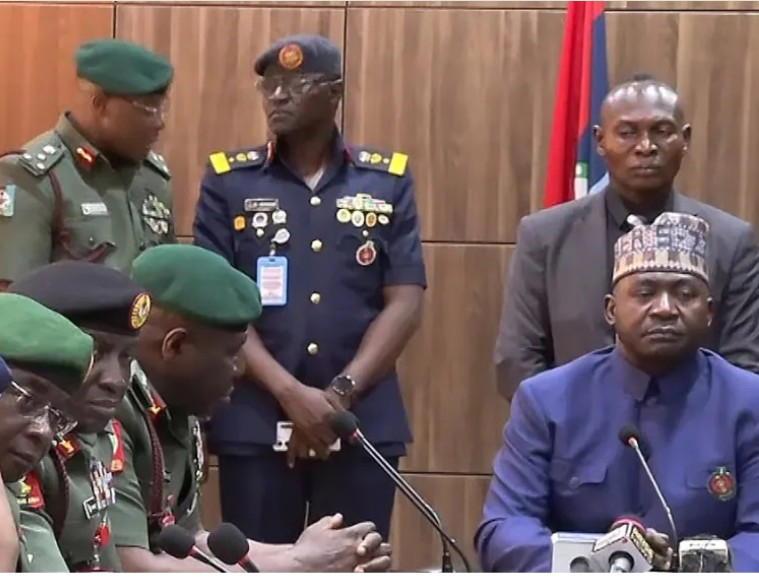
When the service chiefs get that call, they know the pressure is on. They’re the heads of the army, the navy, the air force, and the rest. Their job is to protect us, but lately, it feels like they’re always reacting, always coming after an attack has already happened. People are tired of hearing ‘we are on top of the situation’ after another village is raided or another highway is blocked.
The minister calling them in means the government is officially worried. It means the reports of attacks are too many to brush aside. In communities across the country, people have been asking where the security is. Now, the top bosses have to answer that question face-to-face. They have to explain what’s going wrong and, more importantly, what they’re going to do to fix it.
For a trader like Mama Chidi, who runs a small provisions store, this news brings a flicker of hope. ‘Let them meet,’ she says, arranging tins of milk. ‘Let them talk until they find sense. My customers are afraid to come out. Business is dying.’ Her words echo what many feel. Security isn’t just about soldiers and guns; it’s about people being able to earn a living, to live without this constant weight of fear.
But hope is mixed with suspicion. We’ve seen meetings before. We’ve heard promises of new strategies and crackdowns. Sometimes, things get quiet for a little while, then the violence comes back, worse than before. People want to see action, not just another photo of men in uniforms shaking hands. They want to see soldiers actually on the dangerous roads, not just at checkpoints collecting bribes.
The real test won’t be what they decide in that meeting room. The test will be on the ground, in our communities. Will the patrols increase? Will the response to distress calls be faster? Will the people causing this violence actually be caught and stopped? That’s what everyone is waiting to see. Until then, the summons is just words.
What happens next matters to every family trying to plan their week, every student hoping to get to class safely, every driver loading a truck. The service chiefs have been called to account. Now, the community waits to see if this meeting will finally lead to a change we can feel in our daily lives, or if it will just be another day in Abuja while life gets harder here.