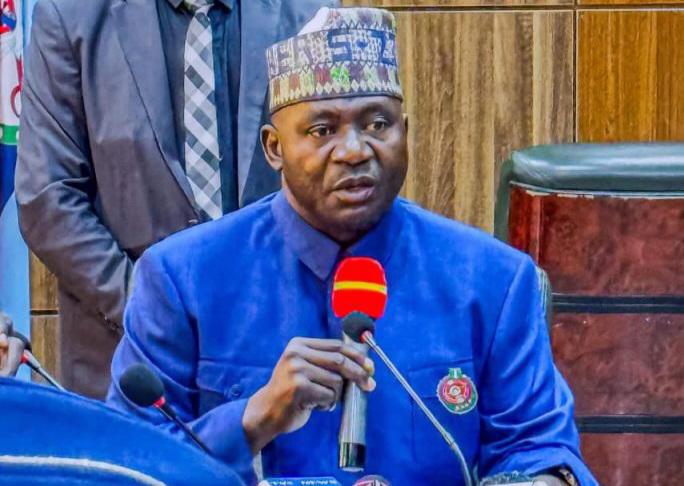
The Defence Minister has issued a stark warning to media organizations and the public against amplifying terrorist propaganda. This directive frames the circulation of such material as a direct threat to national security, not merely a matter of editorial judgment. The minister's statement represents a formal, high-level intervention into the information ecosystem surrounding terrorism.
Amplifying terrorist content, whether through news reports or social media shares, is now characterized as an action that aids militant objectives. The core argument is that publicity provides terrorists with a platform to spread fear, recruit followers, and claim legitimacy. By denying them this attention, the state aims to degrade a key operational pillar beyond just military engagements.
This warning implicitly critiques past media practices where graphic terrorist videos or detailed manifestos received extensive coverage. The minister's position suggests that such reporting, even when well-intentioned, can inadvertently serve as a force multiplier for insurgent groups. The call is for a recalibration where security considerations temper the impulse for comprehensive or sensationalist reporting.
For the general public, the warning extends to social media behavior, where users might share shocking content out of outrage or a desire to inform. The minister's message reframes this sharing as a dangerous form of engagement that terrorists actively seek. It asks citizens to consider the downstream effects of their online actions on the broader security landscape.
In practice, this means newsrooms may need to develop stricter protocols for handling claims or materials released by proscribed groups. Decisions on whether to report a terrorist statement, and how much of its content to reproduce, now carry an explicit national security dimension. Editors must balance the public's right to know against the risk of becoming an unwitting distribution channel for militant messaging.
The directive also has implications for crisis communication during terrorist incidents. There is a clear push against live, detailed reporting of ongoing operations that could provide tactical intelligence to attackers or glorify their actions. The preferred model appears to be delayed, verified reporting that prioritizes official briefings over raw, unvetted claims from the perpetrators.
This approach aligns with counter-terrorism strategies in other nations, where starving groups like ISIS of media oxygen has been a stated policy. The data from those contexts suggests that reducing the sensationalism around attacks can diminish their perceived success and disrupt recruitment cycles. However, it also raises complex questions about censorship, transparency, and the media's watchdog role in a democracy.
The next test of this policy will be how it is applied during the next major security incident. Observers will watch for guidance from the Defence Ministry or information regulators to news organizations, and whether any formal mechanisms for consultation or review are established to navigate these sensitive editorial decisions.