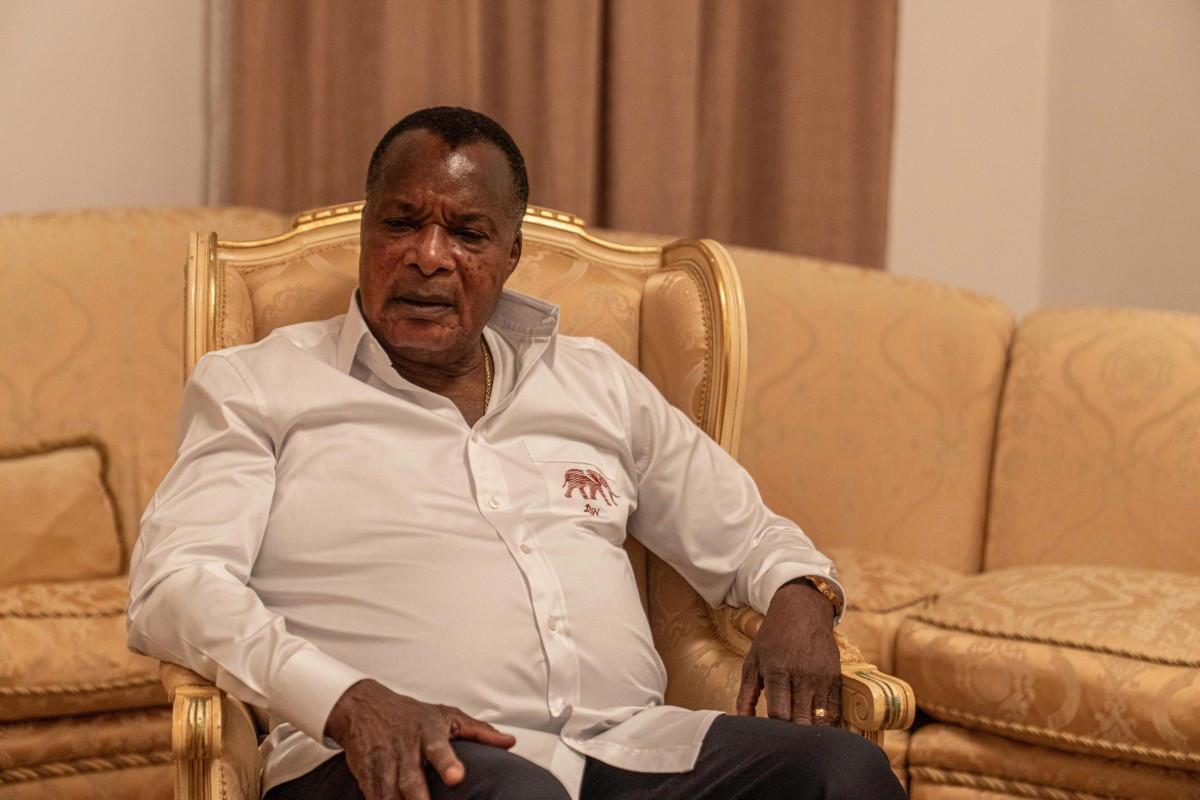
President Denis Sassou Nguesso of the Republic of Congo, often called Congo-Brazzaville, is positioned to extend a political tenure that has already spanned more than 40 years. The 82-year-old leader, who first came to power in 1979, is the central figure in an electoral process expected to reaffirm his control. This anticipated continuation places him among Africa's longest-serving heads of state, a status that draws intense scrutiny from observers of the continent's democratic practices.
A Tenure Forged in Conflict and Constitution
Nguesso's rule has been punctuated by periods of civil conflict and constitutional changes that have solidified his authority. He initially governed from 1979 until 1992, when the nation held its first multi-party elections, which he lost. After a brief hiatus, he returned to power in 1997 following a civil war, and has remained in office since, overseeing a political landscape where opposition voices often face significant challenges.
The Path to Prolonged Power
The constitutional framework in Congo-Brazzaville has been amended multiple times during Nguesso's tenure, most notably in 2015. That revision removed age and term limits for the presidency, clearing a legal path for his subsequent re-election in 2016 and his current candidacy. These changes have been criticized by opposition groups and some international observers as tools for perpetuating a single individual's grip on power, rather than reflecting a broad democratic consensus.
Oil, Economy, and Patronage
Congo-Brazzaville's economy, heavily reliant on oil exports, has struggled with volatility and debt during Nguesso's long administration. Management of the nation's petroleum resources has been a recurring point of contention, with allegations of corruption and mismanagement frequently leveled by critics. The president's ability to navigate these economic headwinds and distribute patronage is seen as a key factor in maintaining the support of the political elite and security apparatus.
The Regional Context
The upcoming electoral contest occurs against a backdrop of a tightly controlled political environment and within a region that features several other long-serving leaders. The outcome will be closely monitored as a indicator of democratic trends in Central Africa.