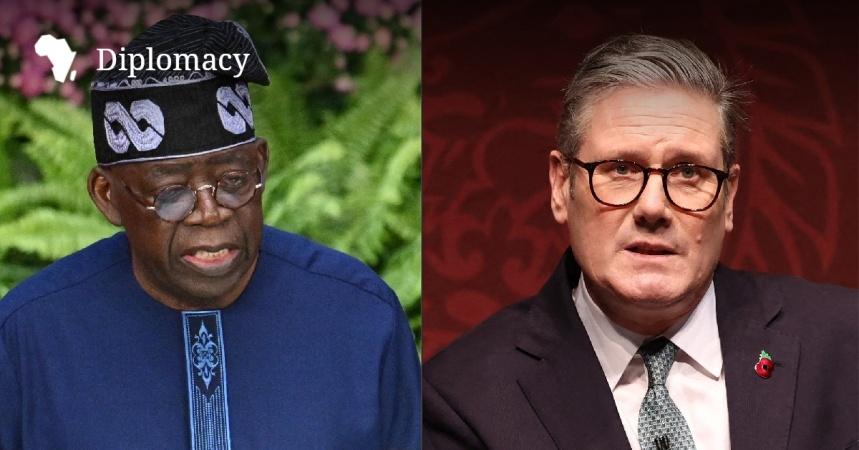
A significant diplomatic fissure has emerged between Spain and the United States, casting doubt on the unity of Western strategy toward Iran. This development unfolds simultaneously as Nigeria grapples with weighty domestic issues, presenting a moment of international tension and national introspection.
The Transatlantic Disagreement
At the heart of the dispute are conflicting narratives regarding military cooperation against Iran. The United States, through White House Press Secretary Karoline Leavitt, stated it expects to have 'complete and total dominance over Iranian airspace in the coming hours.' This was bolstered by earlier comments from US Defense Secretary Pete Hegseth, who asserted that the US and Israel 'will have complete control of Iranian skies.'
In stark opposition, the Spanish government has issued a firm denial of any such collaborative military action. Prime Minister Pedro Sanchez reinforced a stance of 'no to the war,' directly contradicting the aggressive posture implied by American officials. This public refutation challenges the perceived solidarity of NATO allies and highlights divergent approaches to Middle Eastern geopolitics.
Implications for Global Stability
This rift raises critical questions about coordinated foreign policy. A divided Western front on a potential Iran conflict could lead to unpredictable geopolitical consequences, affecting global oil markets and regional security—factors that invariably impact economies like Nigeria's.
Nigeria's Domestic Focus: The Killaboi Trial
While this international drama plays out, Nigeria's attention is also captured by serious domestic proceedings. In Lagos, the trial of Benjamin Best Nnayereugo, alias 'Killaboi,' for the alleged murder of Augusta Onuwabhagbe has commenced. This case has ignited public discourse on gender-based violence, judicial accountability, and celebrity culture intersecting with crime.
Analysis: A Nation at a Crossroads
Nigeria finds itself at a familiar crossroads: monitoring volatile global events that influence its economic future while addressing deep-seated internal social and legal challenges. The Spain-US disagreement serves as a reminder that international alliances are fluid, and national interests often prevail. For Nigerian policymakers and citizens, the moment underscores the need for a balanced focus—maintaining awareness of external shocks while diligently working to resolve foundational domestic issues that affect the daily lives of its people.
The coming days will reveal whether the transatlantic rift widens or is mended through diplomacy. Concurrently, the Nigerian public will watch closely as justice seeks to run its course in a case that has touched a national nerve.