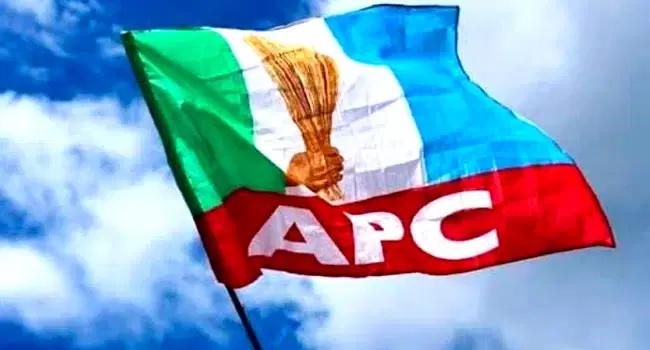
Umar Haruna Doguwa has emerged as the new Chairman of the All Progressives Congress (APC) in Kano State, marking a significant shift in the leadership of Nigeria's main opposition party in the crucial northern state. His emergence follows a handover from the outgoing chairman, Abdullahi Abbas, to whom Doguwa had reportedly handed over the party's reins more than a decade ago. This return positions Doguwa, understood to be a close ally of Kano State Governor Abba Kabir Yusuf, at the forefront of the APC's strategy to reclaim influence in the state.
The party's new executives were elected through a process of affirmation by the 2,420 delegates present, representing all 44 local government areas of Kano State. This method of selection, where candidates are approved without a contested vote, indicates a consolidated consensus within the state chapter. The scale of the delegate count underscores the organizational depth of the APC in Kano, Nigeria's most populous state. The smooth transition suggests an attempt to present a united front ahead of future electoral contests.
In a separate but equally consequential development at the federal level, the Minister of Justice and Attorney General of the Federation, Lateef Fagbemi, has taken over the prosecution of his immediate predecessor, Abubakar Malami. This move places the nation's top law officer directly in charge of a case involving the former AGF, elevating its political and legal significance. Malami faces serious charges of terrorism and illegal firearms possession, which were originally brought against him by the Department of State Service (DSS).
The case has already seen significant judicial action, with the court admitting Malami and his son, Abdulaziz, to bail on February 27. The bail was set at ₦200 million, with stringent conditions requiring two sureties, each of whom must own landed property in the high-value districts of Maitama or Asokoro in Abuja. These conditions reflect the gravity of the charges and the court's assessment of the defendants' status. The personal involvement of the sitting Justice Minister signals the federal government's prioritization of this prosecution.
Amid these political and legal shifts, Nigeria's economic landscape shows a positive signal. The nation's business environment strengthened significantly in February 2026, with the Business Confidence Index (BCI) soaring to a record 117.2 points from 105.8 points in January. This data, from the latest report by the Nigerian Economic Summit Group (NESG), suggests growing optimism among investors and corporate leaders. Such confidence is crucial for attracting investment and fostering growth, providing a backdrop to the political developments.
On the electoral front, the Independent National Electoral Commission (INEC) has issued a caution to journalists in Ekiti State. The commission warned against misinformation, disinformation, and sensational reporting, emphasizing the need for accurate journalism to preserve electoral integrity. This advisory highlights the ongoing challenges of managing information in Nigeria's vibrant media space, especially as the country moves through its electoral cycle. Responsible reporting is seen as foundational to credible elections.
In global sports news, World No. 1 tennis player Aryna Sabalenka has announced her engagement. The 27-year-old Belarusian star revealed that she accepted a marriage proposal from her longtime partner, businessman Georgios Frangulis. This personal milestone for one of the sport's biggest names offers a moment of celebratory news amidst weightier domestic reports. Sabalenka's prominence ensures the story captures international attention.
Together, these stories paint a picture of a nation in motion: political realignments in a key state, a high-stakes legal prosecution at the highest levels of government, encouraging economic indicators, and institutional calls for media responsibility. The return of Doguwa to lead Kano APC sets the stage for intensified political competition, while the Malami case tests the judiciary's handling of elite accountability. These narratives will significantly shape Nigeria's political and governance discourse in the coming months.