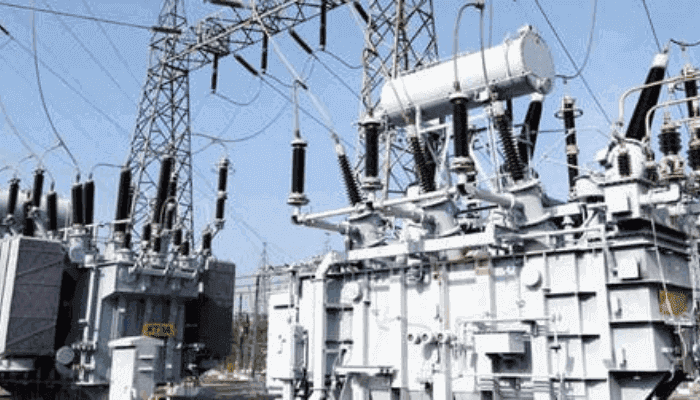
Nigerians are facing a compounding energy crisis. Beyond the sticker shock at fuel stations, the nation's unreliable electricity supply is dramatically amplifying the financial pain of recent petrol and diesel price increases. Frequent grid failures have made backup generators not a luxury, but a daily necessity, creating a vicious cycle where the cost of basic power is becoming prohibitive.
The Household Equation: Blackouts = Budget Burns
For millions of families, the equation is brutally simple: every hour of power outage translates directly into hours of costly generator runtime. With pump prices significantly higher, the monthly budget allocated for backup power has surged. This forces difficult trade-offs between essential electricity for refrigeration, lighting, and cooling, and other critical needs like food and transportation. The poor power supply effectively acts as a stealth tax, inflating the real-world cost of the fuel price hike far beyond the numbers seen on the pump.
SMEs Under Pressure: Generators as a Fixed Cost
For small and medium-sized enterprises (SMEs), the pressure is even more acute. A typical shop, restaurant, or workshop often finds grid power too unstable for consistent operation. This makes diesel generators—powered by a fuel that has also seen sharp price increases—a non-negotiable fixed cost of doing business. The dual burden of higher input costs and the mandatory expense of running generators to maintain productivity is eroding already thin profit margins. Many business owners now report energy costs as one of their largest and most volatile operational expenses.
The Broader Economic Drag
This dual crisis has significant macroeconomic implications. When businesses divert more capital to cover energy costs, they have less to invest in expansion, employee wages, or price stabilization for consumers. Furthermore, the increased cost of power generation feeds directly into the production and service delivery chain, contributing to broader inflationary pressures. This creates a structural challenge to economic growth and stability, making the resolution of both the power supply and fuel pricing issues critical for Nigeria's economic health.
The situation underscores a critical intersection of infrastructure and policy. Solving one side of the equation—either stabilizing the grid or mitigating fuel costs—could provide crucial relief. However, the current reality leaves Nigerians paying a premium twice over: once for the fuel, and again for the failure of the grid.