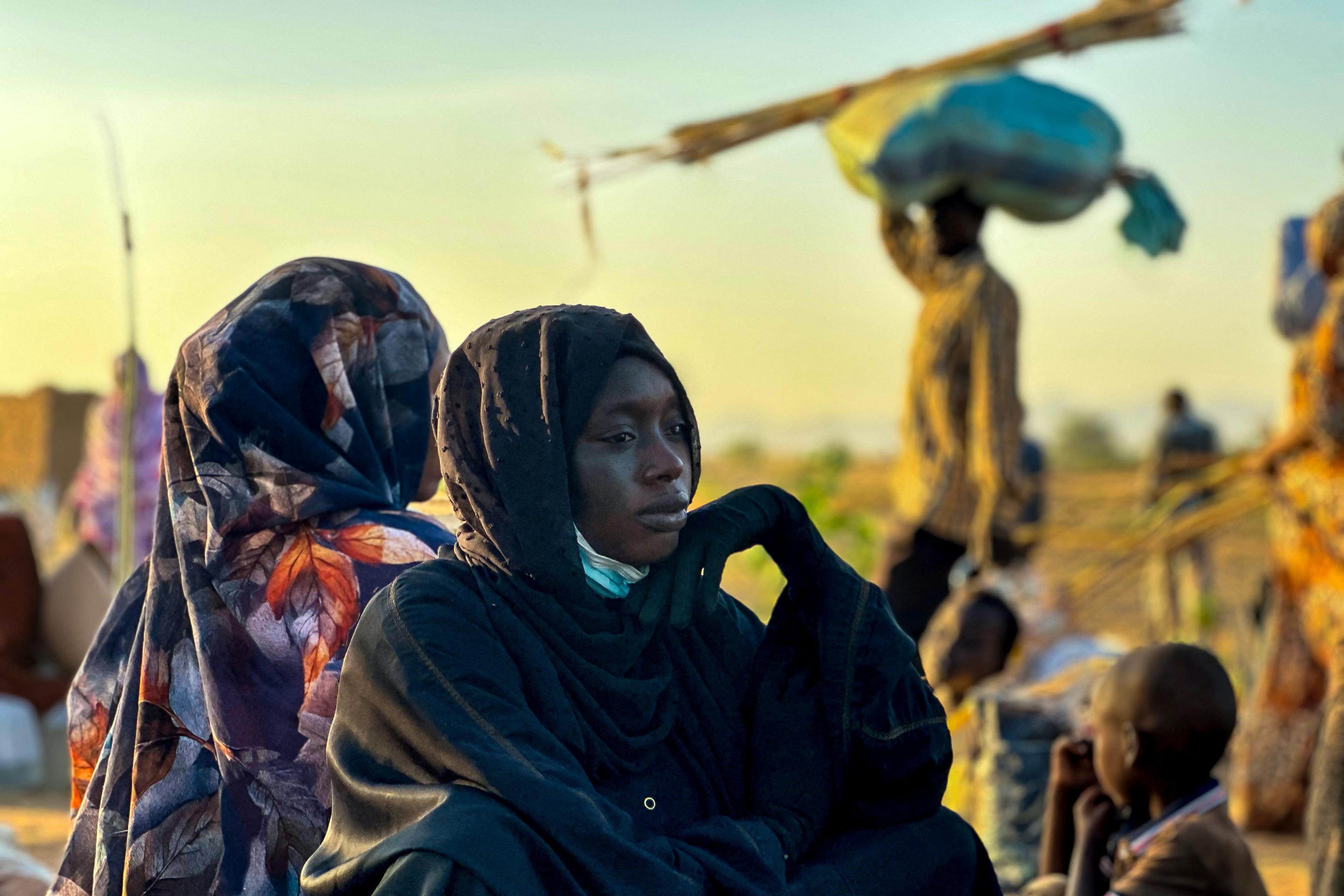
The news spread through the market first, a low hum of fear replacing the usual chatter over prices of sorghum and beans. Word of the drone strikes in Southern Sudan traveled fast, carried by traders with grim faces and stories of villages hit from the sky. For people here, it’s a familiar dread, a shadow that returns just when you think the sun might stay out a little longer.
Dozens are dead. That’s the only solid fact we have right now, a number that feels too small to hold all the grief it represents. In a place where every family is large, dozens means mothers, fathers, children, cousins—a web of loss that will pull tight across whole communities. There’s no list of names yet, just the awful math of absence that families are starting to count.
These weren’t soldiers in a trench; these were people in their homes, at their markets, going about a day they thought was theirs. A drone doesn’t see the difference. It just sees a target, and for the folks on the ground, that means nowhere is safe. The sky itself has become a threat, turning the simple act of walking outside into a gamble.
We don’t know who sent the drones. That uncertainty is its own kind of violence. It leaves everyone looking over their shoulder, wondering which flag was on the machine that took their neighbor. Without knowing who to blame, anger has nowhere to go but inwards, or outwards at anyone who looks different. It sows a poison in the community.
For families here, this isn’t about geopolitics or military strategy. It’s about the empty chair at dinner tonight. It’s about the sister who won’t come back from fetching water, the brother who was just minding his shop. The ‘dozens’ reported are not a statistic; they are the reason a mother wails in a courtyard right now, her cries echoing off mud-brick walls.
What happens next? The same thing that always happens. People will bury their dead with whatever dignity they can muster. They’ll share what little food they have with those who lost everything. And they’ll wait, because waiting is what we do best here. We wait for the next bit of news, for help that rarely comes, for a peace that never seems to stick.
The world will call it a ‘developing situation’ and move on to the next headline. But for Southern Sudan, this is the headline of our lives, written in smoke and loss. There’s no moving on from this, only moving through it, one heartbreaking day at a time. The community’s resilience is being tested once again, not by choice, but by cruel necessity.
Tomorrow, people will still need to eat. Children will still need to go to school, if the schools are open. Life, in its stubborn way, will try to push forward. But the sound of any engine in the sky will make hearts skip a beat, and the memory of today’s strikes will hang heavy in the air, a reminder that home can be the most dangerous place of all.