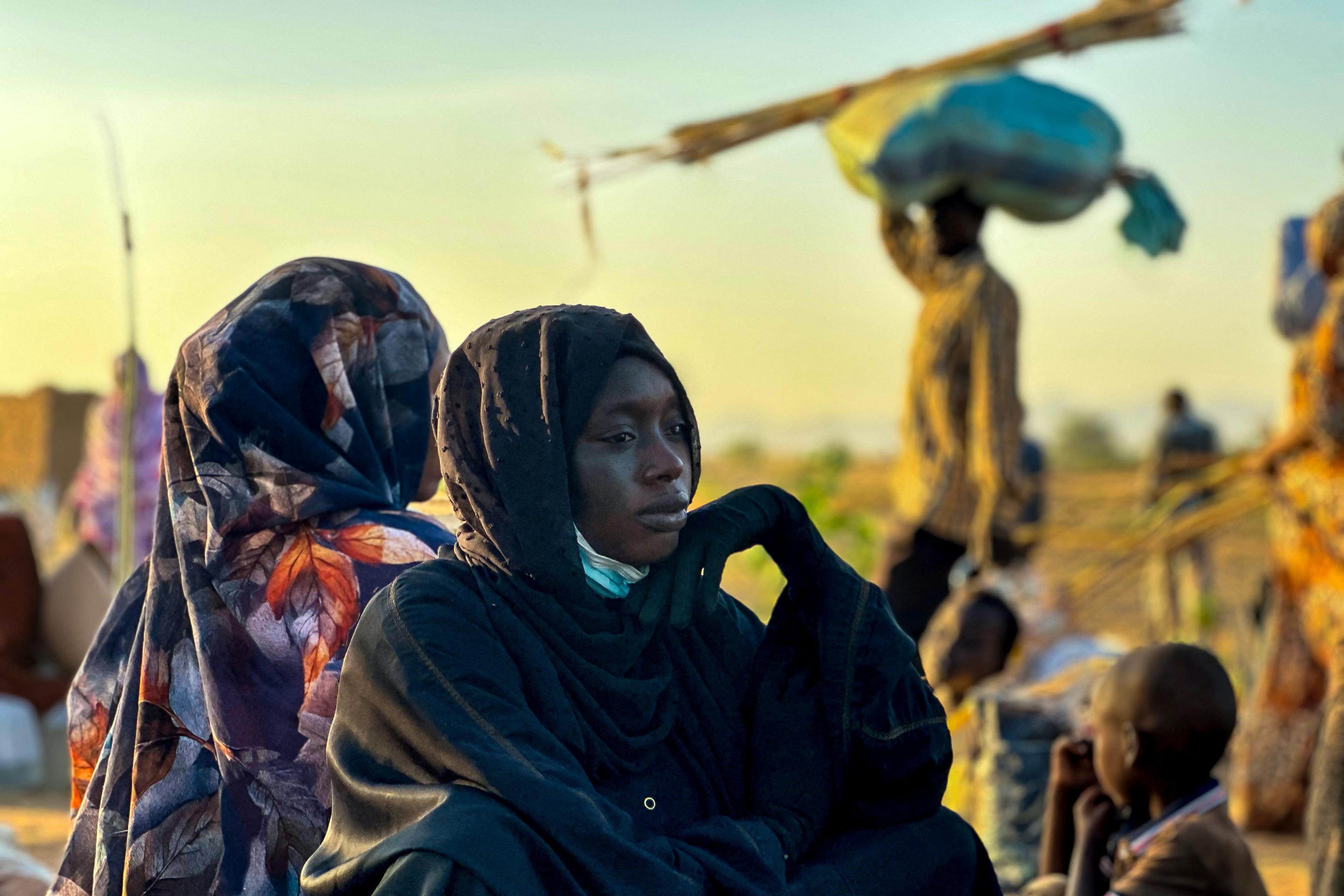
The protracted conflict in Sudan has entered a more lethal chapter, with confirmed drone strikes killing dozens of people across southern regions overnight. The attacks, which targeted populated areas, signify a stark escalation in tactics and have drawn immediate condemnation from international observers.
A Shift to Aerial Warfare
Previously characterized by ground clashes between the Sudanese Armed Forces and the Rapid Support Forces, the introduction of drone warfare expands the battlefield vertically. This shift not only increases the potential for mass casualties but also complicates civilian evacuation and humanitarian aid delivery, as danger can now strike from the sky without warning.
Civilian Areas Impacted
Initial reports from local sources and aid organizations indicate the strikes hit near markets and residential neighborhoods. The exact death toll remains fluid as rescue operations continue amidst damaged infrastructure and communication blackouts. Hospitals in the affected areas are reportedly overwhelmed.
International Response and Next Steps
The United Nations has expressed grave concern, with an emergency Security Council session slated for tomorrow. The discussion will likely focus on potential measures to de-escalate the situation, including calls for an immediate ceasefire and sanctions against parties violating international law. The broader international community faces mounting pressure to intervene and prevent a further slide into a full-scale humanitarian catastrophe.
The Human Cost
Beyond the immediate fatalities, these strikes deepen the trauma for millions of Sudanese already displaced and facing famine-like conditions. The psychological impact of aerial bombardment creates a climate of pervasive fear, making any return to normalcy increasingly distant.