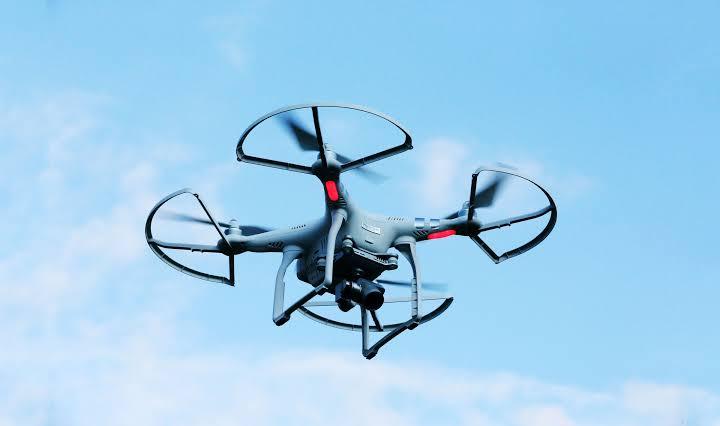
Drones fell in the vicinity of Dubai International Airport, one of the world's busiest aviation hubs, in a direct challenge to regional security. The incident occurred as commercial ships were simultaneously targeted in the nearby Strait of Hormuz, a critical global oil transit chokepoint. This coordinated, dual-front assault represents a significant escalation in the pattern of attacks emanating from Iran and its network of allied militias.
Authorities have confirmed the drone activity near the airport, though specific details on the number of drones or any resultant damage remain under investigation. The proximity to a major international passenger terminal immediately raises profound concerns for civilian air traffic safety. Such an attack on a key node of global travel and commerce signals a brazen intent to disrupt economic stability beyond immediate conflict zones.
In the Strait of Hormuz, multiple commercial vessels reported being hit. The strait is a narrow maritime passage through which about a fifth of the world's seaborne oil passes annually. Attacks on shipping in these waters have historically triggered sharp increases in global oil prices and insurance premiums, impacting economies far beyond the Middle East. The simultaneous timing with the airport incident suggests a calculated strategy to maximize psychological and operational impact.
The broader context for these events is a sustained campaign of attacks by Iranian-backed forces across the region. These groups have utilized drones and missiles to target infrastructure, military assets, and commercial interests in recent years. The decision to strike near a major civilian airport and in a globally vital waterway marks a dangerous expansion in tactics and chosen targets, moving beyond military objectives to core economic and transportation infrastructure.
Dubai International Airport serves as a primary gateway for travel and trade between East and West, handling millions of passengers and tons of cargo yearly. Any sustained threat to its operations could force costly reroutes and heighten security protocols across global aviation. The incident will likely prompt immediate reviews of air defense systems and emergency response plans at major airports throughout the Gulf region.
Similarly, the attacks on shipping threaten the principle of freedom of navigation, a cornerstone of international maritime law. Naval forces from several nations, including the United States and the United Kingdom, maintain a presence in the region to deter such assaults. These latest hits will test the effectiveness of those patrols and could lead to calls for enhanced protective measures for commercial vessels, potentially militarizing the waterways further.
Regional governments and international bodies are now compelled to respond to this escalation. Diplomatic channels are likely being activated to convey warnings and assess intentions, while security commanders evaluate defensive postures. The interconnected nature of the targets—aviation and maritime—demonstrates an adversary capable of planning complex, multi-domain operations aimed at undermining confidence in key sectors simultaneously.
Concrete next steps include official investigations by Emirati authorities into the drone incident and maritime security agencies probing the ship attacks. The international community will monitor for any claim of responsibility and the subsequent diplomatic or military responses from affected states. Further security advisories for commercial air and sea traffic operating in the region are expected to be issued imminently.