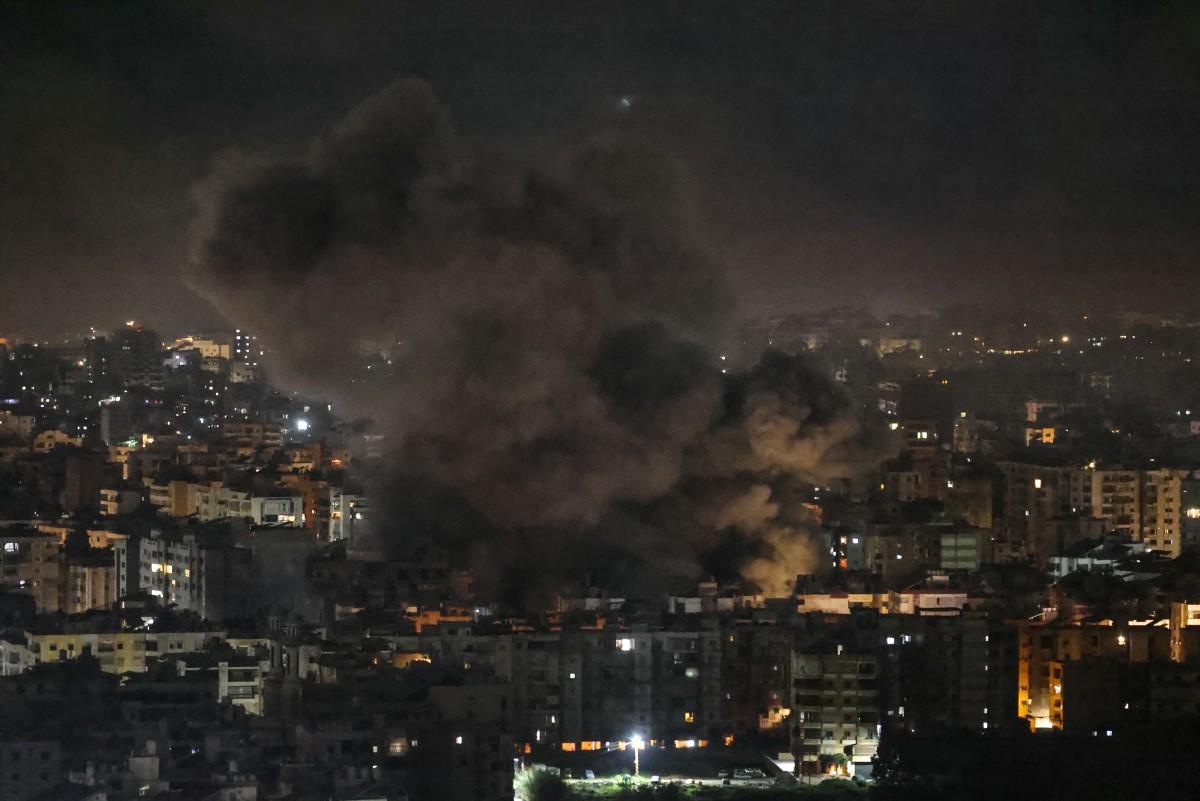
In an event with immediate worldwide repercussions, Dubai International Airport (DXB) has suspended all flight operations, triggering the complete grounding of Emirates Airline's fleet and creating massive disruptions across global travel networks.
Emirates Fleet Grounded
Emirates, the world's largest long-haul carrier, has been forced to ground its entire fleet of over 260 wide-body aircraft following the operational halt at its home base. The airline, which serves more than 140 destinations globally, has canceled all inbound and outbound flights, leaving thousands of passengers stranded across its network. As of publication, the airline has not issued guidance on rebooking or refund procedures for the massive volume of affected travelers.
Global Hub Paralyzed
Dubai International Airport serves as a primary connection point for travel between Europe, Asia, Africa, and Australasia, typically handling hundreds of flights daily. Its sudden closure has created immediate ripple effects for connecting passengers and cargo shipments that rely on the airport's extensive network. The economic impact on trade and tourism is expected to be significant given the airport's dual role as a major cargo and passenger nexus.
Worldwide Ripple Effects
The operational halt has effectively severed a critical artery of global air travel, forcing airlines worldwide to reroute flights and cancel services that depend on Dubai's infrastructure. Social media platforms are flooded with reports from stranded passengers at airports from Sydney to London who are unable to proceed with their journeys. The lack of a clear resumption timeline from airport authorities compounds the uncertainty for both travelers and logistics operators.
Systemic Risk Exposed
This disruption highlights the concentrated risk inherent in global aviation's hub-and-spoke model. The failure of a single, critical node like Dubai International Airport can paralyze a major airline's entire operation and disrupt international travel patterns for days. The incident raises questions about redundancy and resilience in global aviation infrastructure as authorities work to restore operations at one of the world's most important transit hubs.