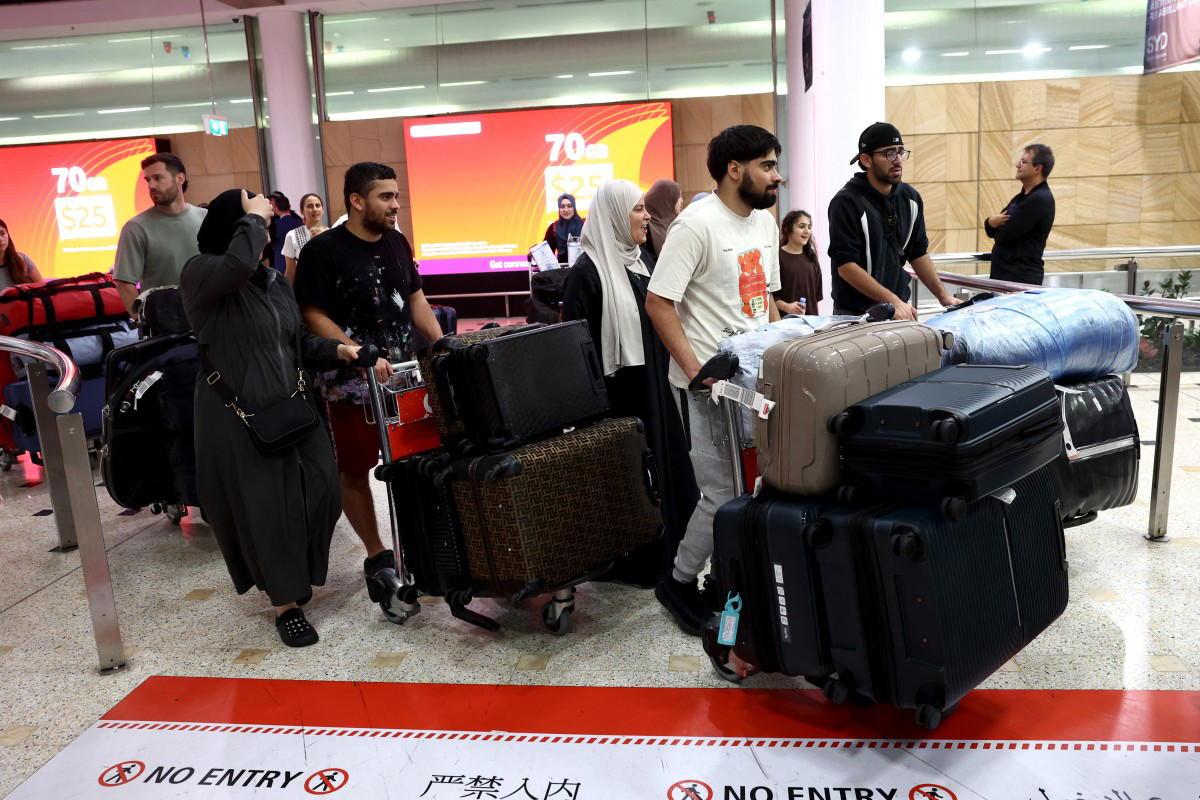
Dubai's super-rich have started fleeing the glitzy business hub by any means necessary, paying hundreds of thousands of dollars to escape a regional war they fear has no end in sight. This sudden departure marks a stark reversal for a city that has built its reputation on being a secure haven for global capital. The escalating conflict in the region has shattered the illusion of invulnerability that many wealthy expatriates once took for granted.
The desert city in the United Arab Emirates has long welcomed the wealthy, who have been drawn to its low taxes, safety, luxury and business-friendly government. For years, this formula attracted entrepreneurs, investors, and celebrities seeking a stable base in the Middle East. The current crisis directly challenges these foundational pillars, as physical safety now appears compromised alongside the partial closure of UAE airspace, complicating all travel.
The reality of the danger hit home for many when missile debris struck a luxury hotel on the iconic Palm Jumeirah, causing a fire. Evrim, a mother of two from Turkey, described the moment that prompted her family's decision to leave. 'When we saw the fire, we said OK, it's time to go,' she said, referring to the blaze near her home. This incident transformed abstract geopolitical tensions into a tangible, immediate threat visible from their doorstep.
For Evrim's family, leaving required a monumental and costly effort. She, her husband and her two young children are paying $200,000 to fly out of neighbouring Oman bound for Geneva, where they plan to wait out the war. This staggering sum underscores the extreme lengths and financial sacrifices families are making to secure passage out of the region. Their chosen destination, Geneva, represents another global hub for the wealthy, suggesting a search for similar privileges but in a perceived safer location.
Merely reaching the departure point was an arduous journey. To reach Oman's capital Muscat, they had to drive six hours through the desert. This overland trek highlights the severe travel disruptions caused by the conflict and the partial airspace closure, forcing evacuees to seek alternative and often difficult routes out of the UAE. The journey itself adds a layer of physical hardship to the psychological stress of fleeing.
The emotional toll on families, particularly children, has been significant. Evrim told AFP, 'We were feeling really anxious... mainly because of the kids — when they heard that bang sound they were scared,' referring to missile interceptions overhead. This quote reveals the profound fear instilled by the sounds of war, disrupting the peaceful life these residents expected. The primary motivation for many is now the safety and mental well-being of their children, overriding all other considerations.
The exodus of wealthy individuals poses a serious challenge to Dubai's economic model and international standing. If the perception of safety is permanently damaged, it could affect long-term investment and the city's ability to attract global talent. The business-friendly environment loses its appeal when personal security is in question, potentially triggering a broader economic impact beyond the immediate crisis.
This situation represents a pivotal moment for the UAE and the broader Gulf region. The flight of capital and people is a direct response to a security environment that appears increasingly unstable. How Dubai manages this crisis and restores confidence will be critical for its future as a premier destination for the world's elite. The story of families like Evrim's is a powerful indicator of how quickly fortunes can change, even in the most glittering of cities.