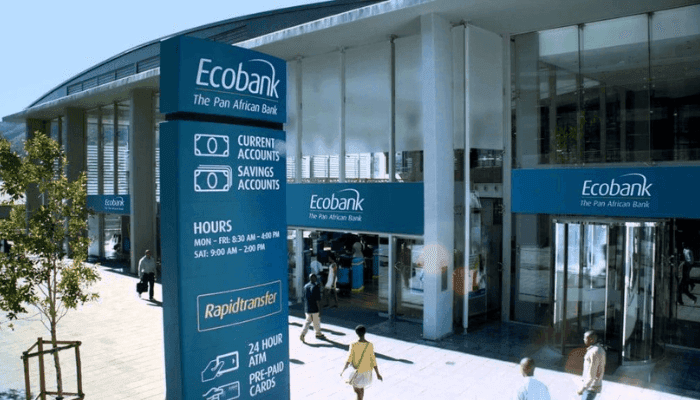
Ecobank, a major pan-African banking group, has reported a massive 194% increase in lending to businesses led by women. This figure represents the total value of loans the bank has provided to female entrepreneurs across its extensive network. The surge indicates a substantial shift in the bank's strategy and resource allocation towards supporting women in business.
To understand this news, it helps to know what Ecobank is. Ecobank Transnational Incorporated is a financial services group with a presence in over 30 African countries. It is one of the continent's largest independent regional banking groups, providing retail, corporate, and investment banking services. Its scale means that changes in its lending policies can have a wide-reaching impact on economies across Africa.
The core of this story is the sheer size of the increase: a 194% surge. In financial terms, a percentage increase this large is extraordinary. It means the amount of money Ecobank is lending to women-led businesses has nearly tripled compared to its previous level. This isn't a small, incremental change but a major strategic push to get capital into the hands of female entrepreneurs.
Why does this kind of lending matter? Access to finance is one of the biggest hurdles for small and medium-sized businesses, especially those owned by women. Banks often perceive these businesses as higher risk, leading to stricter loan requirements or outright denials. When a major institution like Ecobank actively increases its lending, it directly tackles this funding gap, allowing more businesses to start, grow, and hire employees.
The significance extends beyond individual businesses. Women-led businesses are a powerful engine for economic growth and community development across Africa. They create jobs, foster innovation, and often reinvest profits back into local communities. By significantly boosting their access to capital, Ecobank is not just backing individual entrepreneurs; it is investing in broader economic resilience and development.
This move by Ecobank also reflects a growing recognition within the global financial sector of the value and potential of women-led enterprises. Think of it this way: for decades, a vast pool of talented entrepreneurs was underfunded. Banks are now starting to see that lending to this group isn't just good for society—it's good, smart business with strong potential for returns.
What could this mean for the future? A sustained increase in lending could lead to a visible rise in the number and scale of successful women-led businesses across Ecobank's markets. This could, in turn, encourage other financial institutions to review their own lending practices, potentially creating a ripple effect that makes capital more accessible to a wider range of entrepreneurs.
In simple terms, Ecobank's report shows a decisive step toward leveling the financial playing field. The 194% surge is a concrete metric of change, moving from talk about supporting women in business to putting substantial money behind that goal. The next key indicator will be how this increased lending translates into business growth and economic impact over the coming years.


