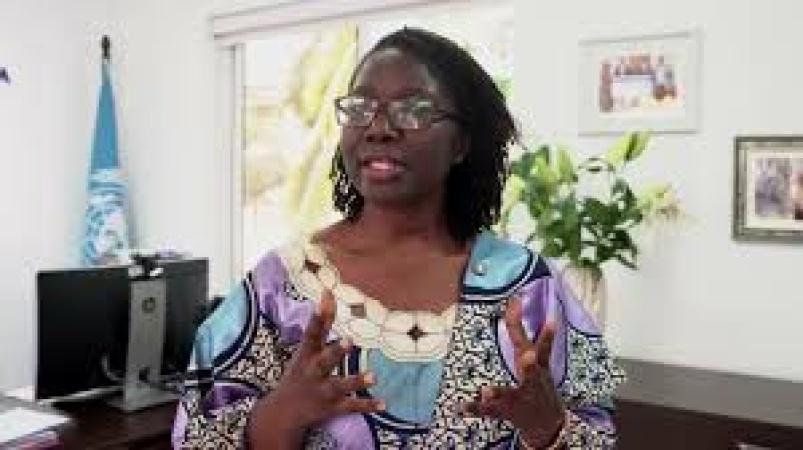
The Speaker of the Parliament of the Economic Community of West African States (ECOWAS) has formally declared education a cornerstone for regional integration. This definitive statement positions educational cooperation as a central policy objective for the 15-member bloc, signaling a strategic focus on building shared human capital to underpin broader economic and political unity across West Africa.
From Trade to Knowledge: A Strategic Shift
According to the Speaker, fostering integration requires more than trade agreements and political dialogue. It necessitates a common foundation in knowledge, skills, and cultural understanding that only a coordinated educational approach can provide. This perspective elevates education from a national concern to a regional imperative for sustainable development.
Addressing Long-Standing Barriers
The emphasis on education directly addresses long-standing challenges to cohesion within the ECOWAS region. Disparities in national curricula, language barriers, and varying levels of educational access have historically hindered the free movement of people and labor. A unified educational framework is seen as a tool to dismantle these obstacles and create a more seamless community.
The Practical Implementation: Harmonization and Mobility
Implementing this vision would likely involve harmonizing academic standards and professional qualifications across member states. Such alignment would facilitate the recognition of diplomas and certifications, easing mobility for students and skilled workers. This, in turn, could stimulate cross-border innovation and fill critical skill gaps in regional economies.
Beyond Economics: Identity and Stability
Beyond economics, the Speaker's declaration links education directly to political stability and social harmony. A shared educational experience can cultivate a sense of common West African identity and citizenship among younger generations. This foundational unity is considered vital for consolidating democratic norms and resolving conflicts through dialogue.
The call to action places significant responsibility on national governments to align their domestic education policies with this regional vision. The success of this initiative will depend on political will, resource allocation, and sustained collaboration among all ECOWAS members.