The conversation at bus stops and markets across West Africa has shifted. Beyond the price of goods and football scores, a more pressing worry dominates: 'What will my child do after school?'
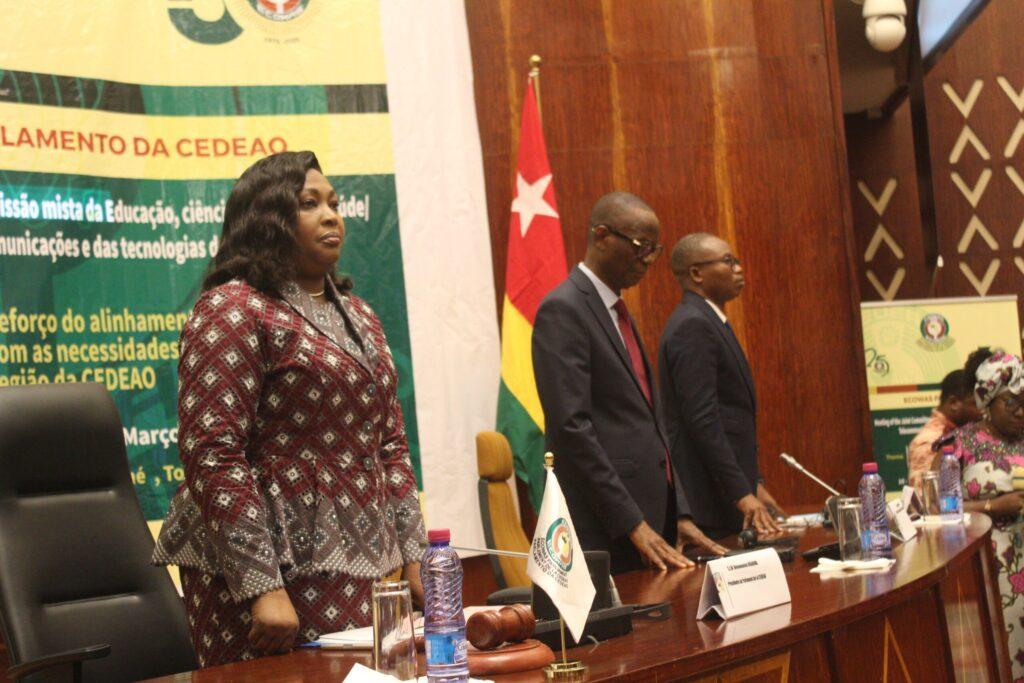
This parental anxiety has now found a powerful echo in the halls of the ECOWAS Parliament. The regional body is sounding an alarm, declaring the current education system broken and in need of immediate, comprehensive reform to prevent a generation from being left behind without jobs or relevant skills.
The Root of the Crisis: A Massive Skills Gap
For years, families have invested in education only to watch graduates receive certificates that hold little value in the job market. The Parliament identifies the core issue as a critical 'skills gap'—a disconnect between what is taught in classrooms and the practical competencies demanded by employers, businesses, and the agricultural sector. Students are often trained in outdated methods while the economy evolves around them.
A Regional Threat, Not an Individual Struggle
The Parliament's push underscores that youth unemployment is not merely a personal challenge but a regional crisis. When a significant portion of young people cannot find meaningful work, the consequences ripple outward: family economies stagnate, local businesses suffer from reduced consumer spending, and social frustration builds. This crisis, if unaddressed, threatens the stability and future prosperity of the entire West African region.
What Would 'Urgent Reform' Actually Look Like?
The call for action points toward a fundamental shift in educational philosophy. The goal is to move beyond rote memorization for exams and toward imparting practical, market-ready skills. Imagine curricula that include vocational training in renewable energy technology (like solar panel installation), foundational business and entrepreneurship management, and applied agricultural technology.
The ultimate aim is to forge a direct link between the classroom and the workplace, ensuring that a diploma is not just a piece of paper but a tangible ticket to employment and economic participation.
The Mandate of ECOWAS
This directive comes from the ECOWAS Parliament, the body representing citizens across West Africa. Its mandate includes addressing cross-border issues like trade, security, and now, critically, human capital development. By placing educational reform at the top of its agenda, ECOWAS is signaling that the future of the region depends on empowering its youth with the right tools for today's economy.