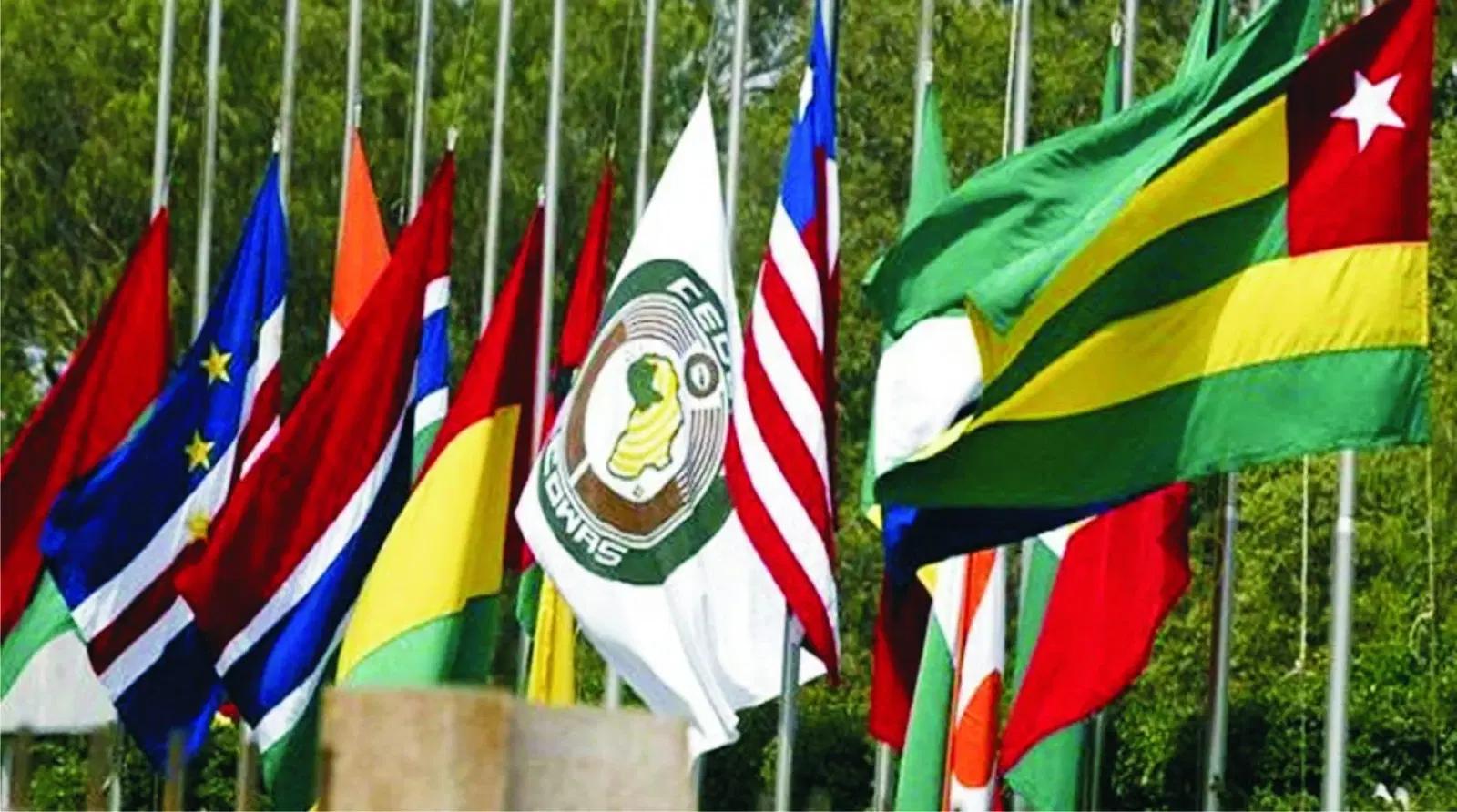
The Economic Community of West African States has formally urged Guinea, Liberia, and Sierra Leone to exercise restraint amid escalating border tensions. This direct appeal from the regional bloc confirms a significant diplomatic intervention in a volatile regional situation. The call for calm represents a proactive step to prevent localized disputes from destabilizing a broader area of West Africa.
ECOWAS issued the statement specifically addressing the three neighboring nations, indicating the organization's assessment of a tangible threat to regional peace. The appeal underscores the bloc's mandate to serve as a primary security and political mediator within West Africa. By naming Guinea, Liberia, and Sierra Leone, ECOWAS has publicly identified a specific tripartite flashpoint requiring immediate de-escalation.
Border tensions in this region carry historical weight, given the complex and sometimes contested nature of frontiers established during the colonial era. The area has also experienced past conflicts that spilled across borders, influencing current security postures. ECOWAS's intervention aims to prevent historical grievances or resource competition from escalating into open confrontation.
The call for restraint is a standard but critical first step in the bloc's conflict prevention protocol. It typically precedes more direct mediation, such as the deployment of envoys or the convening of emergency summits. This public statement serves both as a diplomatic warning and an offer of institutional support to facilitate dialogue between the concerned governments.
Guinea, Liberia, and Sierra Leone form a contiguous zone in the Mano River Union region, an area with deep social, economic, and ethnic ties that transcend national boundaries. Disruptions along their borders can sever vital cross-border trade routes and displace communities with kinship on both sides. Stability in this corridor is essential for the economic wellbeing of all three nations.
The ECOWAS appeal places responsibility squarely on the national governments to manage their security forces and public rhetoric. It signals to domestic audiences and the international community that the bloc is monitoring the situation closely. Failure to heed this call could trigger more forceful diplomatic measures, including emergency meetings of the ECOWAS Authority of Heads of State and Government.
Regional security analysts view the Mano River region as a bellwether for stability in the wider West African landscape. Successful de-escalation here would reinforce ECOWAS's credibility in managing complex, multi-party disputes. Conversely, a deterioration could strain the bloc's resources and conflict resolution mechanisms, which are also engaged elsewhere in the region.
The immediate next step is for the governments of Guinea, Liberia, and Sierra Leone to formally acknowledge the ECOWAS statement and outline their commitment to peaceful engagement. The bloc's Mediation and Security Council is expected to review the situation and determine if a higher-level intervention is required. ECOWAS has established a clear institutional pathway for escalation should its initial call for restraint go unheeded.


