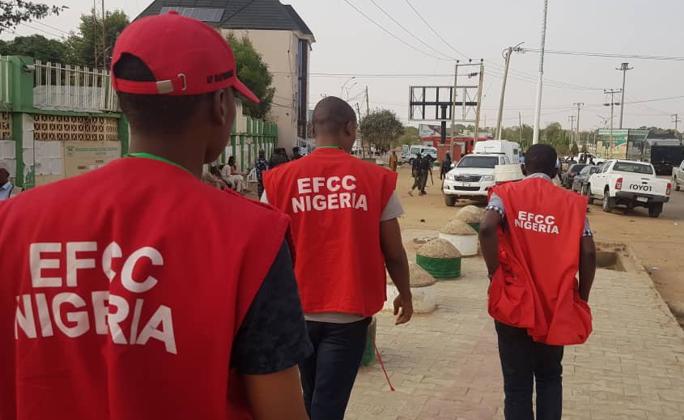
EFCC Arrests 15 Over Radioactive Minerals in Kaduna
Nigeria's Economic and Financial Crimes Commission (EFCC) has taken fifteen suspects into custody in Kaduna State for their alleged involvement with radioactive solid minerals. This arrest underscores a critical intersection of environmental crime, public health, and financial corruption.
The Kaduna Operation: Beyond Typical Illegal Mining
The arrests occurred in Nigeria's northwest region, an area known for mineral deposits. While illegal mining—the extraction of resources without government license—is a persistent issue, this case involves a more sinister element: radioactivity. The suspects are accused of handling minerals that emit dangerous energy, posing severe, invisible health risks.
Understanding the Radioactive Threat
Radioactivity is the emission of particles or energy from unstable atomic nuclei, found in elements like uranium or thorium. Prolonged exposure can lead to radiation sickness, cancer, and long-term environmental contamination. The grave concern is that illegal operations lack the Geiger counters, protective shielding, and safety protocols necessary to handle such materials. This negligence endangers the handlers themselves and potentially contaminates local soil, water, and communities.
Why the EFCC is Involved
The EFCC's primary mandate is investigating financial crimes like corruption, fraud, and money laundering. Their lead role in this case signals a strategic shift: illegal mining of high-value or dangerous minerals is being treated as a serious economic crime. The agency is likely investigating the illicit financial flows, tax evasion, and potential corruption enabling this dangerous trade. It's not just about seizing minerals; it's about following the money trail to dismantle the networks profiting from this hazardous activity.
The Bigger Picture: Nigeria's Mineral Sector at a Crossroads
Nigeria is endowed with vast solid mineral wealth, from gold and tin to potentially radioactive elements. This incident highlights the dual challenge of harnessing this wealth for national development while preventing it from fueling crime and endangering citizens. Effective regulation, monitoring, and inter-agency cooperation between environmental, health, and financial crime bodies are crucial.
The Kaduna arrests serve as a stark warning. The fight against illegal mining is no longer just about lost revenue; it's a frontline defense against public health crises and organized financial crime.