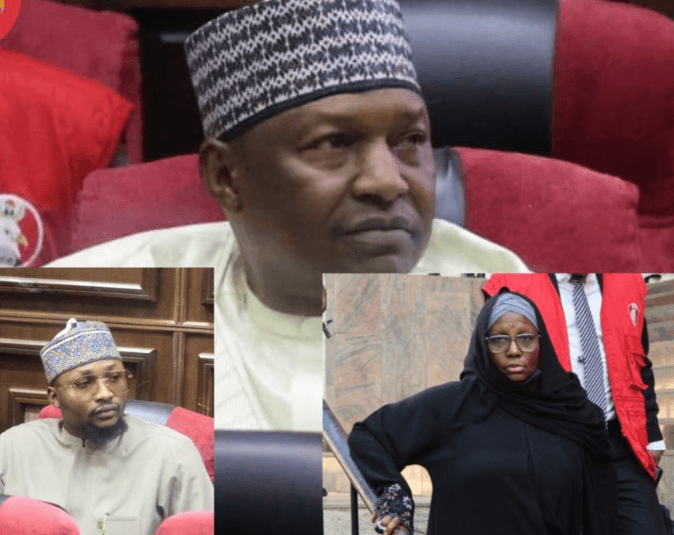
The Economic and Financial Crimes Commission (EFCC) has initiated a high-profile money laundering prosecution concerning 8.7 billion Naira against former Attorney General of the Federation, Abubakar Malami. The case, which also names his wife and son as co-defendants, marks a significant escalation in Nigeria's fight against corruption, targeting the immediate family of a former cabinet member.
The Charges and Scale of the Case
Prosecutors allege the massive sum was illicitly moved through a sophisticated financial scheme. While full details from the charge sheet remain under wraps, the N8.7 billion figure places this among Nigeria's largest individual money laundering prosecutions. The EFCC's decision to file charges indicates its confidence in having gathered sufficient evidence for a conviction.
The Irony of the Accused
Abubakar Malami served as Nigeria's chief law officer from 2015 to 2023, a period during which he was the nation's top prosecutor and oversaw the legal framework for anti-corruption efforts. His transition from overseeing such cases to becoming a defendant adds a profound layer of gravity and irony to the allegations. This case is poised to become a critical test of Nigeria's judicial independence and its capacity to hold former high-ranking officials accountable.
Family Involvement and Legal Strategy
The inclusion of Malami's wife and son as co-defendants suggests investigators believe family members were active participants in the alleged scheme. Nigerian law permits the prosecution of individuals who knowingly benefit from or facilitate illicit financial flows. Joint charges often indicate an alleged pattern of using personal relationships to obscure the ownership and movement of funds.
What Comes Next?
Money laundering cases of this magnitude typically involve complex networks of shell companies and bank accounts. The successful prosecution will hinge on the EFCC's ability to meticulously trace the N8.7 billion and prove criminal intent. The case is expected to be filed at the Federal High Court, setting the stage for a protracted and closely watched legal battle that will resonate through Nigeria's political and legal landscapes.