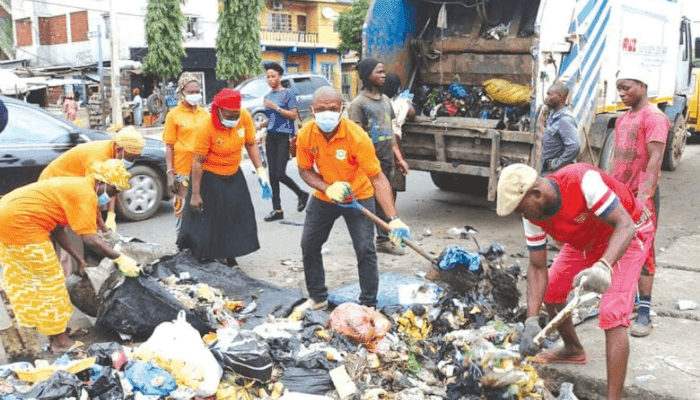
A new waste compactor is now operational on the streets of Egbe–Idimu, marking a significant step in the Local Council Development Area's (LCDA) renewed sanitation push. This deployment directly targets the persistent waste management issues that have led to uncollected refuse and illegal dumpsites in many neighborhoods.
The move, orchestrated by local government officials, aims to improve public health and environmental conditions by increasing daily waste collection capacity. For residents who have long complained about overflowing bins affecting daily life and community pride, the compactor represents a promised and tangible municipal response.
The Challenge of Scale and Sustainability
Sanitation drives require consistent equipment and manpower. A single compactor must service a large area, meaning its impact will depend heavily on operational efficiency, smart route planning, and reliable fuel supply. Regular maintenance will be critical to avoid breakdowns that could derail progress.
A Model for Lagos?
Local councils across Lagos face similar struggles with waste management as rapid urbanization outpaces existing infrastructure. The action in Egbe–Idimu could set a valuable benchmark for others, demonstrating a focused investment in core municipal services.
The Role of the Community
The success of this initiative hinges not just on the machinery, but also on community cooperation. Residents must consistently use designated collection points for the system to work effectively. The council's stated next step is to ensure the compactor runs daily to clear existing backlogs, a task that will test the sustainability of this new chapter in the area's cleanliness.