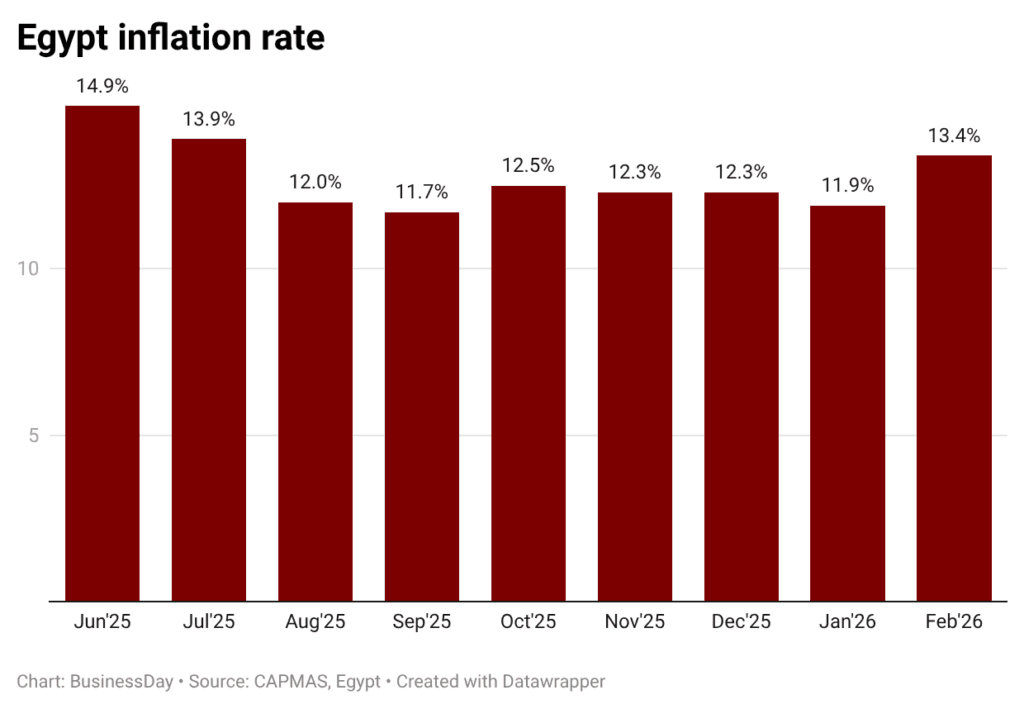
Egypt has implemented a significant fuel price hike, increasing costs at the pump by up to 17%. This move directly impacts transportation and the cost of living for millions of Egyptians and coincides with the country's inflation rate reaching its highest point in seven months.
Understanding Egypt's Subsidy System
For decades, the Egyptian government has heavily subsidized essential goods—including fuel, bread, and electricity—to keep consumer prices artificially low. This policy functioned as a social safety net but grew into a substantial burden on the national budget.
The Push for Economic Reform
Over recent years, Egypt has pursued a structured economic reform program, often in coordination with the International Monetary Fund (IMF). A central goal is to reduce these costly subsidies. The logic is to free up funds for other priorities like healthcare, education, and infrastructure while shrinking the budget deficit. The trade-off is immediate price increases for basic commodities.
A Scheduled, Incremental Approach
The latest increase is not an isolated event. The government reviews and adjusts subsidized fuel prices every three months. This regular, incremental approach is designed to lessen the economic shock compared to a single, drastic hike. The 17% rise marks one of the larger adjustments in recent cycles, reflecting broader economic pressures.
The Inflation Context
The price hike arrives amid challenging economic conditions. Egypt's inflation rate has climbed to a seven-month high, eroding purchasing power. When the cost of fuel rises, it creates a ripple effect, making transportation, goods, and services across the economy more expensive, thereby compounding the financial strain on households.
The path forward involves a delicate balance for policymakers: continuing necessary fiscal reforms while managing the acute impact on citizens' daily lives. The next quarterly price review will be a critical indicator of the pace of this economic transition.