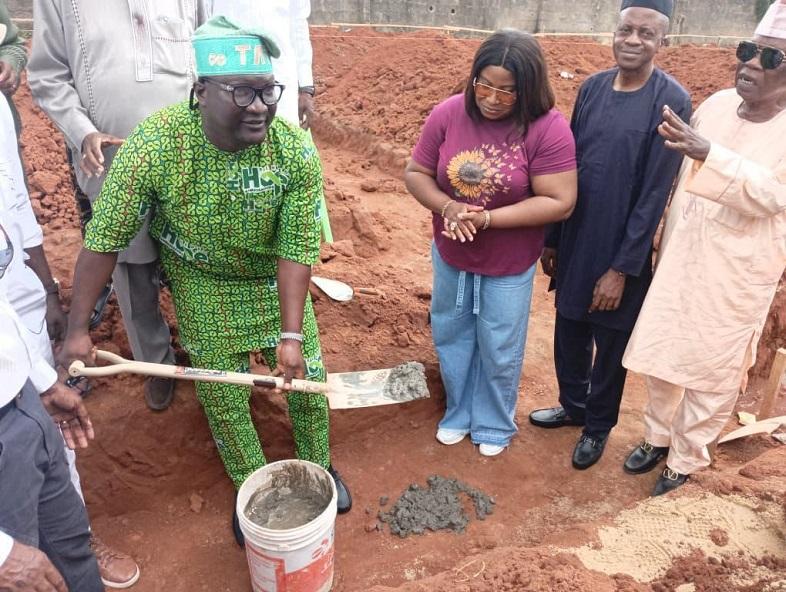
The Chairman of Ejigbo Local Council Development Area has officially broken ground for the construction of a new primary school in Aigbaka Ward. This ceremony marks the physical start of a project that has been planned by the local administration. The event signifies a commitment to translating governance promises into tangible community assets, with the school building as the central deliverable.
Groundbreaking events are typically the first public step in a construction timeline, moving a project from planning to execution. For residents of Aigbaka Ward, this action converts the abstract concept of a new school into a visible, forthcoming reality. The ceremony itself serves as a public accountability mechanism, putting the chairman and the council on record as having initiated the work.
In practical terms, a new primary school directly addresses classroom shortages and overcrowding, which are chronic issues in many Nigerian communities. The construction phase will generate temporary local employment for laborers, masons, and suppliers. Once operational, the facility will require a permanent staff of teachers, administrators, and support personnel, creating a small but stable employment hub.
The project's location in Aigbaka Ward indicates a targeted effort to improve services in a specific electoral zone. Infrastructure projects like schools are often used by local politicians to demonstrate effective representation and direct development to their constituents. The choice of a school, as opposed to other public works, highlights education as a priority area for this administration's capital expenditure.
From a budgetary perspective, a primary school represents a significant line item in a local government's annual budget. Funding would need to be allocated for land, construction materials, labor, and eventual furnishing. The project's viability hinges on the council's ability to secure and release these funds consistently throughout the building phase to avoid delays or abandonment.
Successful completion would alter the educational landscape for families in the ward. Children who currently travel long distances or learn in substandard conditions would gain access to a new facility closer to home. This can improve enrollment rates, reduce pupil-to-classroom ratios, and potentially enhance learning outcomes through a better physical environment.
However, the history of Nigerian public projects is littered with abandoned initiatives. The true test of this administration's commitment will be the sustained release of funds and project oversight until the school is fully completed, equipped, and officially opened for learning. The groundbreaking is a positive start, but it is only the first of many necessary steps.
The immediate next step is the actual construction work following the ceremonial start. Residents should watch for the arrival of equipment, the pouring of foundations, and the steady progress of the building's superstructure over the coming months. The project's timeline and the council's adherence to it will be the most concrete indicators of its eventual success.