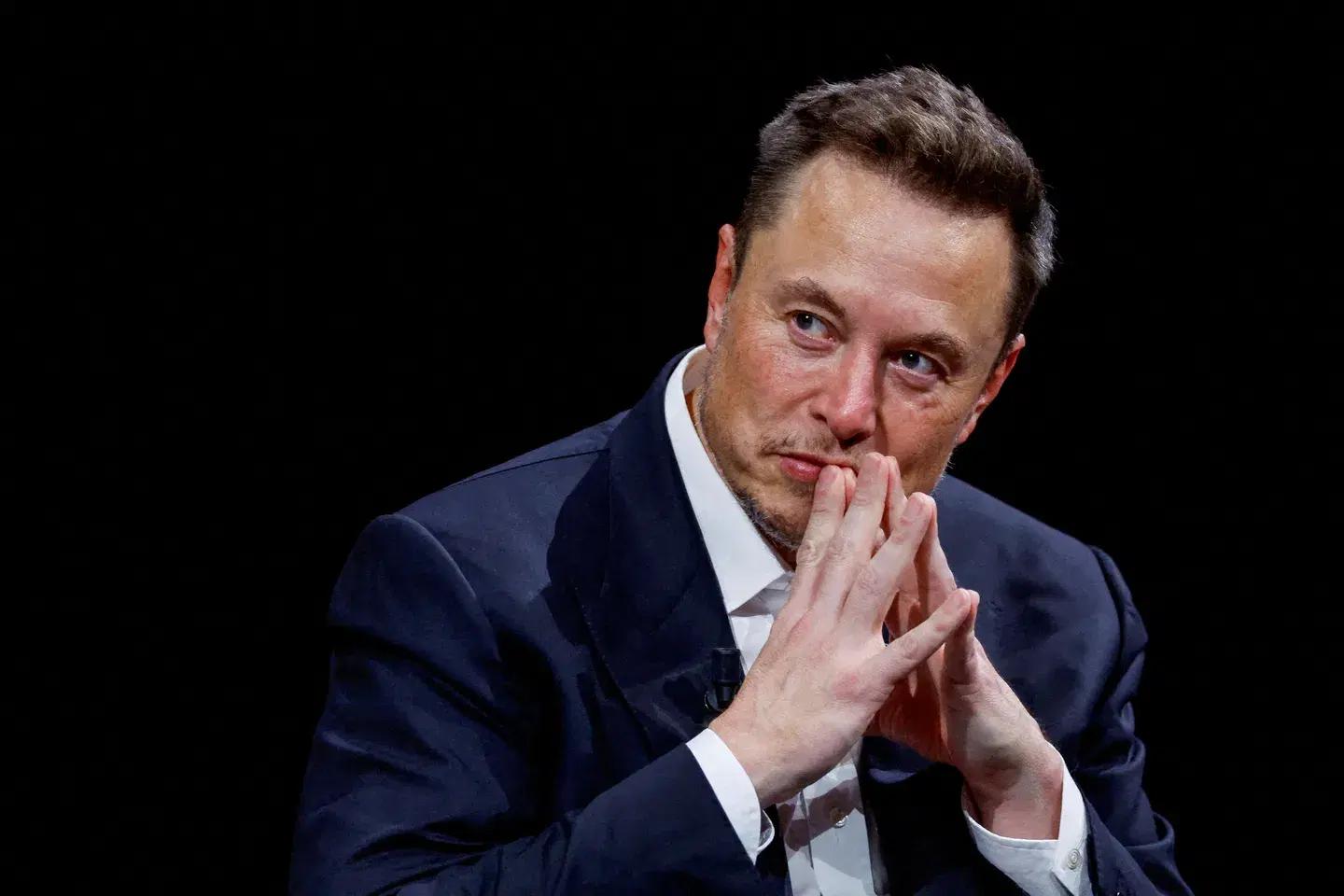
Elon Musk is now aiming for a net worth that would make the GDP of Switzerland look like a rounding error. The world's richest person, whose fortune already bounces around with the volatility of a meme stock, has reportedly set his sights on the $1 trillion mark. It's a number so vast it has historically been reserved for the market caps of entire tech empires, not the personal bank accounts of their founders.
Achieving this milestone would require more than just a good quarter for Tesla or SpaceX. It would necessitate a sustained, multi-year surge across his entire portfolio of companies and investments, a feat that would defy historical precedent for individual wealth accumulation. The sheer scale invites a kind of financial vertigo; we're talking about a sum that could, in theory, buy every single person in France a new car (though presumably not all Teslas).
This pursuit exists in a realm where wealth becomes almost entirely abstract. Once you pass a certain threshold, the numbers stop representing yachts, houses, or even private islands, and start representing pure influence and leverage. A trillion dollars isn't a shopping list; it's the ability to single-handedly fund NASA's annual budget for over four years, or to write a check that could solve a global humanitarian crisis and still have pocket change.
The path to this astronomical figure is paved with more than just stock prices. It hinges on the successful commercialization of technologies that are still in their infancy, from fully autonomous vehicles to interplanetary travel. Each of these ventures carries monumental risk, meaning the road to a trillion is as likely to be a cliff edge as a highway. Musk's fortune has always been a direct reflection of market belief in a future he's selling, making it perhaps the world's most expensive promise.
There's an inherent irony in chasing a number that, for any practical purpose, is meaningless. What does one do with a trillion dollars that one cannot do with a mere $200 billion? The difference is purely academic, a score in a game where only one person is keeping score. It transforms wealth from a tool into a trophy, albeit one stored in a digital vault nobody can actually see.
This trajectory also places Musk in a uniquely isolated financial stratosphere. The gap between him and the world's second-richest person would become a chasm wider than the one between number two and number two hundred. It reinforces a growing narrative of 21st-century wealth being not just unequal, but existentially different in kind, concentrated in the hands of those who control foundational platforms and technologies.
Public reaction to such a goal is likely to be a mix of awe, disbelief, and profound unease. It will inevitably fuel debates about taxation, inequality, and the very structure of a modern economy that allows for such radical accumulation. The figure itself becomes a political argument, a symbol either of unparalleled genius or of a system spinning out of balance.
Ultimately, whether Musk reaches this quasi-mythical number is less important than what the pursuit says about our current moment. It's a landmark in the ongoing story of technology, capital, and personality merging into a new form of power. The race to a trillion is less a financial forecast and more a cultural symptom, a number that captures the imagination precisely because it is almost impossible to comprehend. And if history is any guide, just mentioning the target will probably make his existing stocks twitch.


