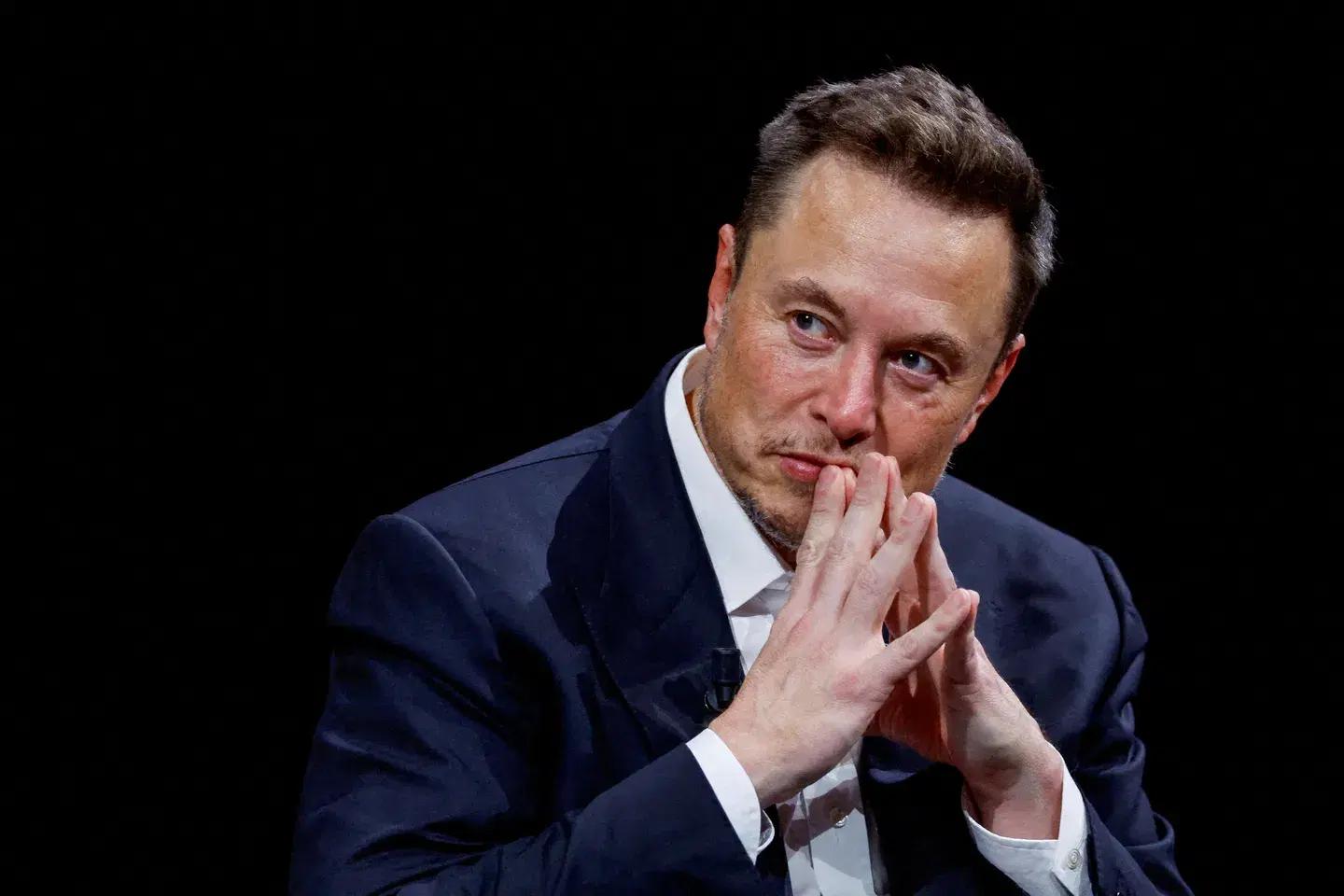
Elon Musk has reached a financial milestone that redefines the scale of individual wealth. According to the latest Forbes real-time billionaire rankings, the Tesla and SpaceX CEO is now worth $839 billion—a figure so substantial it represents a new paradigm in wealth accumulation.
The Anatomy of an $839 Billion Fortune
This valuation isn't cash in a vault. It's primarily composed of Musk's stakes in Tesla and SpaceX, two companies that have fundamentally transformed their industries. The number fluctuates with market sentiment, creating a fascinating dynamic where Musk's public statements and company milestones can move his own net worth by tens of billions in a single trading session.
A Wealth Gap Measured in Hundreds of Billions
The distance between Musk and the world's second-richest person (often Bernard Arnault of LVMH) is measured in hundreds of billions—a gap wider than the entire net worth of most individuals on the Forbes list. This disparity underscores a critical trend: modern wealth creation has become hyper-concentrated in technology and innovation-driven enterprises.
The New Gilded Age: Rockets and EVs as Assets
We're witnessing what might be called a new gilded age, but with different assets. Instead of railroads and oil, today's colossal fortunes are built on electric vehicles, space exploration, and digital platforms. Musk's wealth represents the pinnacle of this shift, demonstrating how investor enthusiasm for transformative technology can create valuations that dwarf traditional industries.
Market Sensitivity and Future Implications
The $839 billion figure is exceptionally sensitive to Tesla and SpaceX performance. With Tesla's quarterly earnings report due later this month, Musk's net worth could swing dramatically based on those results. This creates a unique feedback loop where his companies' performance directly amplifies his personal financial influence—and vice versa.
This concentration of wealth in innovative sectors raises important questions about economic distribution, the role of visionary entrepreneurs, and how society values technological progress versus traditional industry.