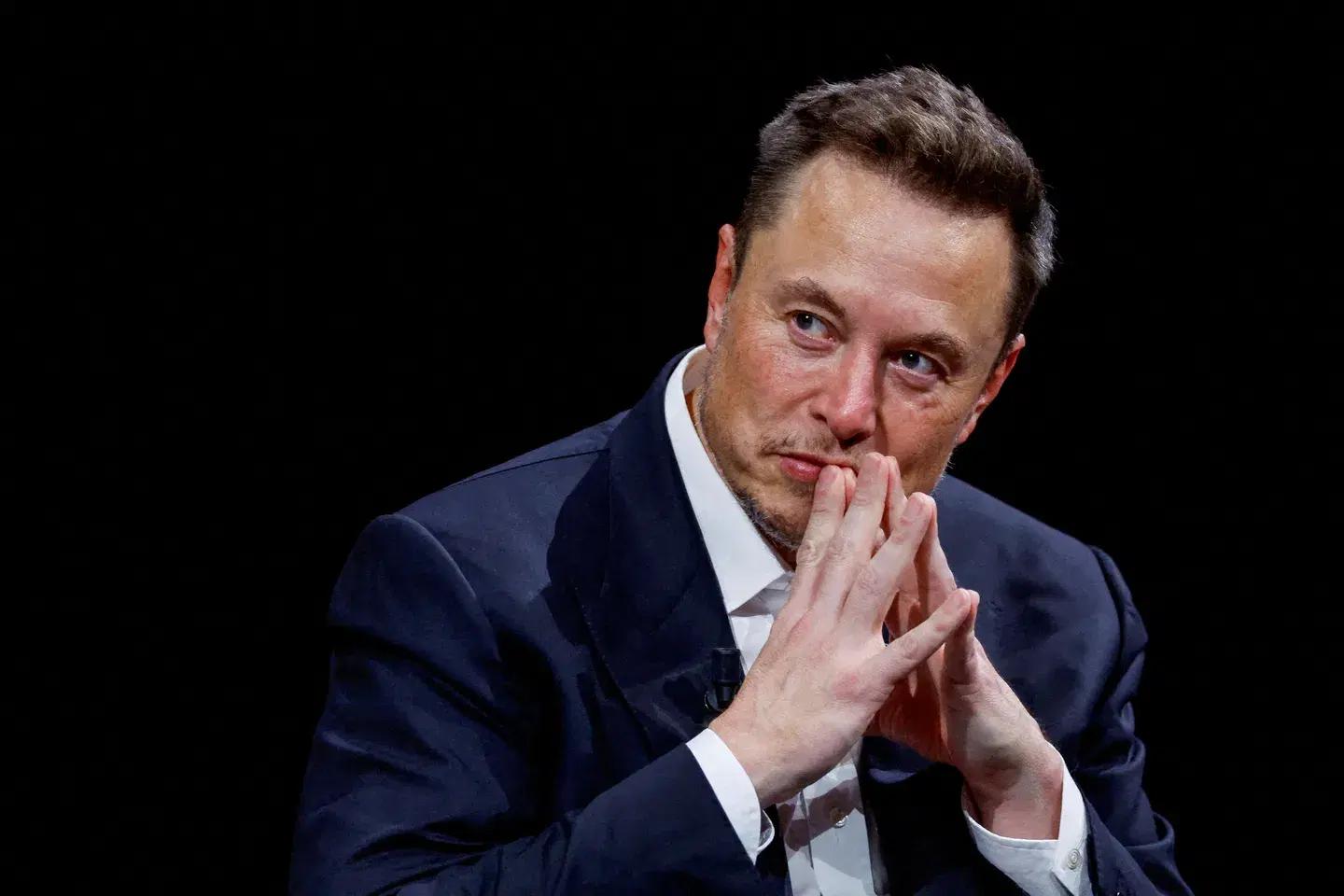
The numbers on the screen are almost incomprehensible, a figure so vast it defies easy comparison to the economies of nations or the lifetimes of ordinary work. According to the newly released Forbes billionaires list for 2026, Elon Musk's personal fortune now stands at $839 billion. This valuation, a snapshot of wealth in early 2026, solidifies his position at the very pinnacle of global wealth rankings.
Where Does the $839 Billion Come From?
This astronomical sum is not held in cash but is a reflection of the market's valuation of his primary assets. The bulk of Musk's wealth is tied to his significant ownership stakes in electric vehicle maker Tesla and aerospace manufacturer SpaceX. Fluctuations in the stock prices of these companies directly and dramatically impact his listed net worth on a daily, sometimes hourly, basis.
Forbes compiles its annual list by calculating the value of publicly traded holdings, private company valuations, real estate, art, and other significant assets, then subtracting debt. The $839 billion figure represents the publication's best estimate based on available financial data and market closes as of their valuation date. It is a meticulous, if imperfect, process to rank the world's ultra-wealthy.
A Trajectory of High-Risk Bets
Reaching this financial height is a milestone that underscores a decades-long trajectory of high-risk bets in industries from online payments to space exploration. Musk's wealth accumulation has been neither linear nor guaranteed, marked by periods where Tesla faced production 'hell' and SpaceX rockets exploded on launch pads. The current valuation suggests a market belief in the long-term dominance of his ventures.
Historical Context and Economic Implications
The sheer scale of this wealth invites immediate comparison. It places Musk's resources far beyond those of other iconic business figures from previous generations. It also represents a concentration of economic power in a single individual that is historically unprecedented, raising broader questions about wealth distribution in the modern, technology-driven economy.
What's Next?
All eyes now turn to the upcoming milestones for Musk's companies, particularly SpaceX's planned Starship orbital test flight in the second quarter of 2026. A successful demonstration could validate the company's ambitious Mars colonization timeline and potentially add tens of billions to Musk's valuation overnight, demonstrating how tightly his personal fortune remains hitched to the performance and perception of his flagship enterprises.