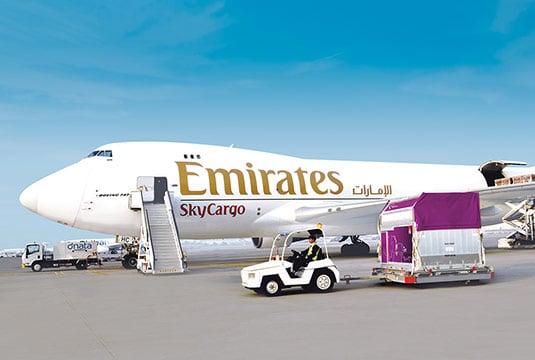
Emirates has officially resumed its passenger flights to Lagos, Nigeria, restoring a critical international air corridor. The airline's return to Murtala Muhammed International Airport follows a period of suspension caused by significant disruptions to Nigerian airspace. This reconnection links one of the world's busiest long-haul carriers directly with Africa's most populous nation and its largest economy.
The reinstatement of the Lagos route provides a direct link between Nigeria's commercial capital and Emirates' global hub in Dubai. This connection is vital for business travel, tourism, and the substantial Nigerian diaspora in the Gulf region and beyond. The service facilitates easier access to Emirates' extensive network spanning six continents from a single West African point.
Airspace disruptions, which prompted the initial suspension, can stem from various factors including regulatory changes, operational challenges, or diplomatic issues. Such interruptions have a pronounced impact on international connectivity, affecting trade, investment, and personal mobility. The resolution enabling Emirates' return indicates that the underlying issues have been addressed to the satisfaction of the airline and relevant authorities.
The Lagos-Dubai route is a strategically important one for both Nigeria and the United Arab Emirates. It supports substantial bilateral trade and serves as a conduit for remittances from Nigerians working abroad. The flight's resumption is a positive signal for the stability and operational reliability of Nigeria's aviation sector, which is crucial for its economic integration.
For passengers, the direct service eliminates the need for costly and time-consuming connections through other African or European hubs. It offers a streamlined travel experience with the amenities and frequent schedules associated with a major global carrier. This enhances options for Nigerian travelers seeking connections to Asia, Australia, and the Middle East.
The return of Emirates also represents a competitive restoration for the Lagos airport, which hosts several other international airlines. It reinforces the airport's status as a premier gateway in West Africa and provides consumers with more choice. Healthy competition on long-haul routes can lead to improved service standards and more competitive pricing over time.
Aviation analysts view the route's restoration as a barometer of confidence in the Nigerian travel market. Airlines make significant resource commitments when relaunching services, indicating a positive assessment of passenger demand and operational feasibility. The move suggests that the commercial fundamentals supporting the route remain strong despite the prior interruption.
With flights now operational, the focus shifts to the sustainability and frequency of the service. The airline will monitor passenger loads and operational performance in the coming months to determine if adjustments to the schedule are necessary. The continued smooth operation of this route is a key development for Nigeria's international air access in 2026.