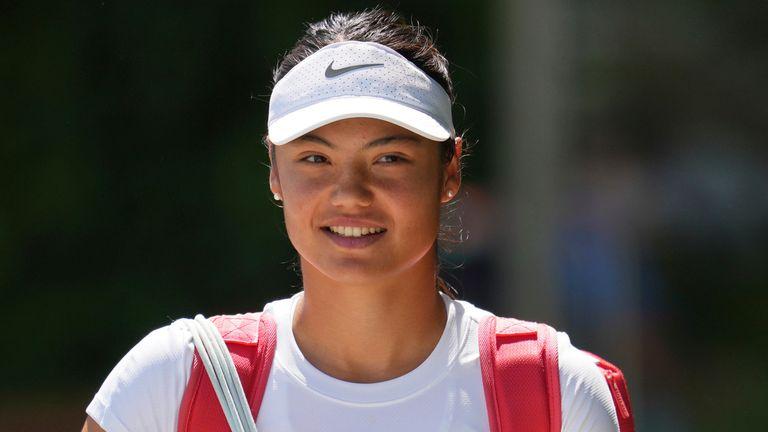
British tennis sensation Emma Raducanu has provided a strikingly honest assessment of her professional path, focusing particularly on the frequent turnover within her coaching team. The 2021 US Open champion pinpointed the core issue with a simple, powerful phrase: "too many voices." This admission opens a window into the less-visible challenges that accompany sudden fame and success, especially for young athletes navigating a global spotlight.
Raducanu's ascent was the stuff of legend—a qualifier triumphing at Flushing Meadows to claim a Grand Slam title. Yet, that monumental victory also cast an intense, unyielding glare on every subsequent decision, particularly those concerning her support system. The composition of her coaching team became a recurring topic in media narratives and fan forums as she worked to establish herself on the WTA Tour.
Her recent reflection centers on the tangible impact of cycling through multiple coaches in a short timeframe. While not detailing specific names, the "too many voices" critique highlights a potential struggle to forge a consistent technical and strategic identity. For any competitor, but especially one so young, a stable coaching partnership is widely considered the bedrock of sustained development and mental fortitude.
This narrative extends far beyond the individual, touching on a common theme in modern professional sports where player-coach relationships can be fleeting. The high-stakes environment, dictated by immediate rankings and results, often precipitates rapid changes in a player's camp. Raducanu's comments gently underscore the human search for clarity and guidance within this high-pressure business reality.
For the Nigerian sports community, Raducanu's experience echoes a familiar story. From football academies to track and field, the quest for the perfect coach or system is relentless. Her story serves as a poignant reminder that amidst the search for optimal performance, sometimes the greatest need is not for another voice, but for the space and consistency to hear one's own.