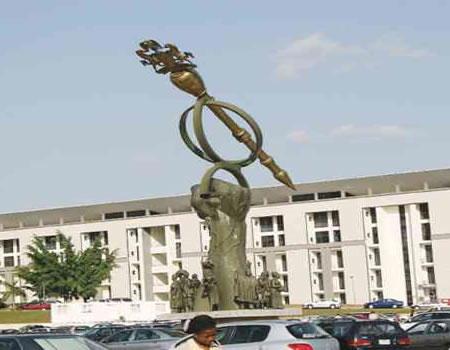
The Enugu State House of Assembly has taken a significant step toward reforming revenue collection with the passage of the 'Enugu State Harmonises Taxes and Levies (Approved List for Collection) Law 2026.' This landmark legislation aims to create a single, transparent framework for tax collection, directly addressing widespread complaints about multiple and often illegal charges that have burdened residents and businesses for years.
Ending Illegal Roadblocks
A key provision of the new law specifically targets unauthorized roadblocks used for tax collection. Hon. Iloabuchi Aniagu, representing Nkanu West State Constituency, emphasized this during deliberations, stating, 'With this bill, we will put a stop to these roadblocks so that every collection of any state tax will be straight.' This move is expected to significantly improve transportation and business operations within the state by eliminating extortion points that have long frustrated citizens.
Political Landscape: 2027 Election Threats
Meanwhile, at the national level, the Inter-Party Advisory Council (IPAC) has issued a stern warning about potential boycotts of the 2027 general elections if certain institutional reforms are not implemented. This development signals growing tensions within Nigeria's political ecosystem as parties position themselves ahead of the next electoral cycle. The threat underscores ongoing concerns about electoral integrity and political inclusivity in Africa's largest democracy.
International Context: Trump's Iran Remarks
In international news, former U.S. President Donald Trump made controversial comments regarding Iran's leadership during a recent interview. While seemingly distant from Nigerian politics, such international statements can influence global oil markets and diplomatic relations that ultimately affect Nigeria's economy and foreign policy considerations.
Analysis: Connecting Local and National Governance
These developments - from Enugu's tax reform to national election threats - demonstrate how local governance decisions intersect with broader political currents. Enugu's attempt to formalize revenue collection represents a microcosm of Nigeria's ongoing struggle to establish transparent, efficient systems at all levels of government. The success or failure of such initiatives could influence similar reforms in other states.
Looking Ahead
As Enugu implements its new tax framework, observers will monitor its impact on business climate and citizen satisfaction. Simultaneously, IPAC's 2027 election warnings suggest Nigerian politics may be entering another period of heightened tension and negotiation. These parallel developments highlight the complex, multi-layered nature of governance in contemporary Nigeria.


