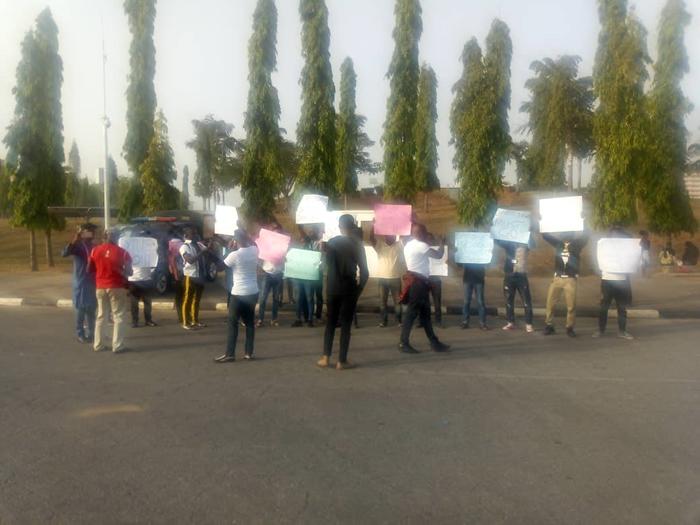
A significant coalition of former militants from the Niger Delta has escalated long-standing regional grievances by issuing a formal demand for federal investigations. The group is calling on the Nigerian government and key regulatory bodies to probe the management of funds earmarked for oil-producing communities and to address discriminatory hiring practices by international oil companies.
The Call for Financial Accountability
The demands focus on the financial structures designed to benefit host communities, including statutory allocations and Corporate Social Responsibility (CSR) funds from oil and gas operations. The coalition alleges widespread mismanagement and corruption, arguing that these resources are routinely diverted from their intended purpose of supporting local development, infrastructure, and social programs. They are insisting on a thorough and transparent audit to restore accountability and ensure funds directly reach projects that benefit the local population.
Challenging Employment Discrimination
Parallel to the financial probe, the group is demanding immediate regulatory action to halt what it describes as unfair hiring practices. The coalition contends that qualified indigenes of the Niger Delta are systematically excluded from meaningful employment and career opportunities within the multinational corporations that operate in their homeland. They assert this practice perpetuates economic disenfranchisement, creating a bitter irony where the region bears the severe environmental and social costs of hydrocarbon extraction but is denied the economic benefits.
Targets and Implications
The call for intervention explicitly targets major federal institutions, including the Nigerian National Petroleum Company Limited (NNPC) and the Nigerian Upstream Petroleum Regulatory Commission (NUPRC). It also implicates state governments within the Niger Delta, which are responsible for administering a portion of the derivation funds from oil revenue. The statement places direct responsibility on these entities to initiate corrective measures and enforce equitable policies.
This development occurs against a backdrop of fragile peace in the Niger Delta, a region with a history of militancy driven by similar issues of resource control and marginalization. The formal, public nature of this demand represents a strategic shift and could test the stability of post-amnesty arrangements.


