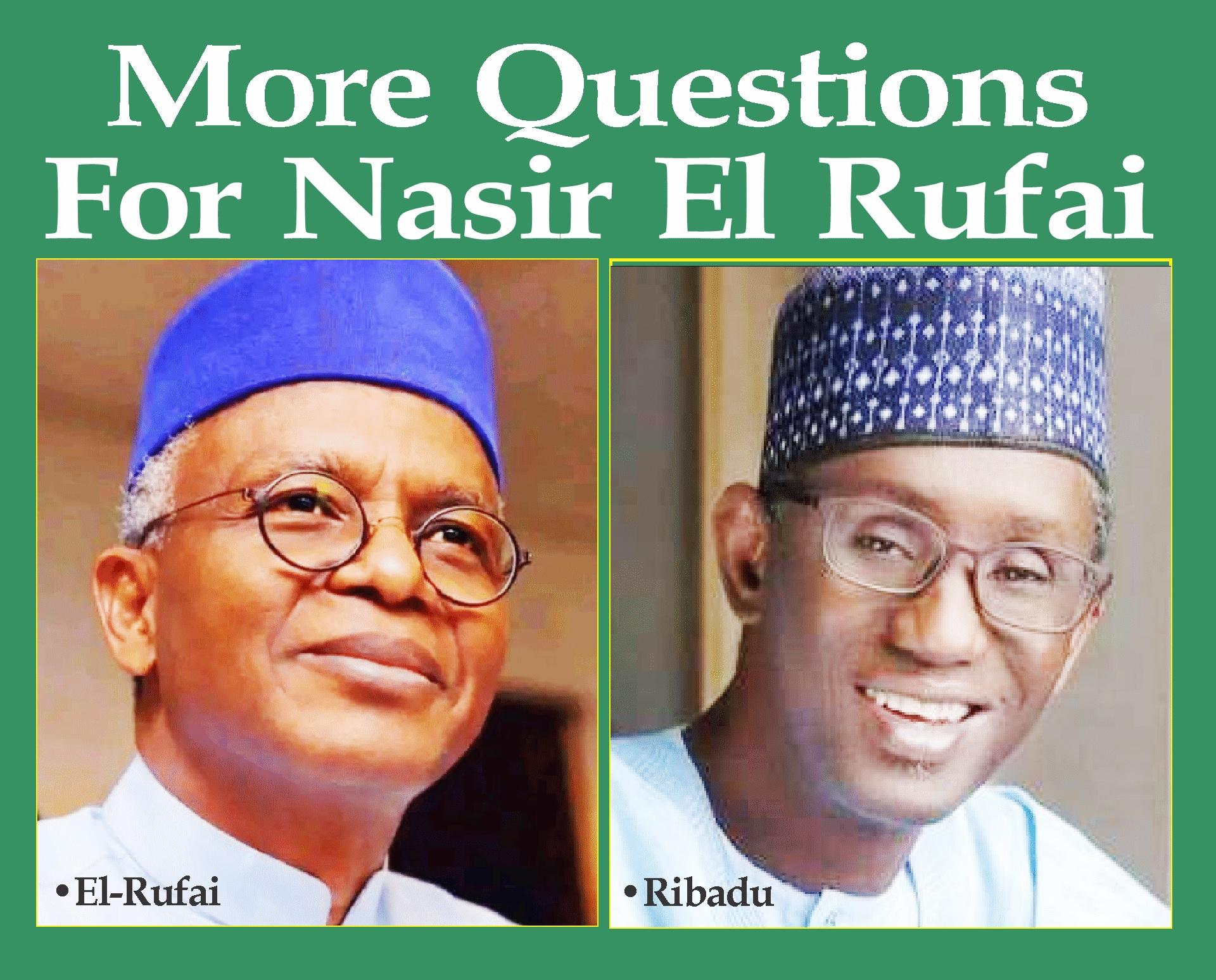
The conversation at local gathering spots across Nigeria this week isn't just about the latest football match or fuel prices. A political claim from former Minister Femi Fani-Kayode has reignited discussion about power, transparency, and the unseen mechanics of high-level appointments.
The Claim Without Details
Femi Fani-Kayode, a former Minister of Aviation and known political figure, has publicly stated that he knows the real reasons why the ministerial appointment of former Kaduna State Governor Nasir El-Rufai was 'aborted.' The statement, as reported, is striking in its lack of specifics. Fani-Kayode offers no names, dates, or corroborating evidence. It is a classic political teaser: an insider claiming hidden knowledge without revealing the substance.
Context: El-Rufai's Stalled Nomination
To understand the weight of the claim, we must revisit the events of 2023. Nasir El-Rufai was among the ministerial nominees sent to the Senate for confirmation. After his screening, the Senate announced his confirmation was being 'held back' pending security checks. Unlike other nominees who were cleared after similar delays, El-Rufai's name never returned to the list for confirmation. The position was eventually filled by another individual. The official explanation remained—and remains—vague, centered on unresolved security concerns.
Why This Claim Resonates
In the Nigerian political ecosystem, ministerial appointments are more than just jobs. They are nodes of influence, determining the flow of federal projects, contracts, and patronage to states and communities. When an appointment as high-profile as El-Rufai's is halted without a detailed public explanation, it creates a vacuum. This vacuum is often filled with speculation, rumor, and claims like Fani-Kayode's.
The claim resonates because it comes from an insider. Fani-Kayode has been within the halls of power, which lends his vague assertion a sheen of credibility for many. It suggests that the public story ('security checks') may not be the whole story, tapping into a widespread public skepticism about official narratives.
Mixed Reactions and Political Noise
Reactions, particularly in El-Rufai's former political base of Kaduna, are mixed. Some supporters see the claim as validation of unfair treatment. Others view it as unproductive noise, reopening settled matters without providing clarity. As one observer quoted in the original report noted, it's 'the kind of political gossip that fills the air but doesn't put food on the table.'
The critical question is one of purpose. Does Fani-Kayode's statement serve to illuminate a lack of transparency in the appointment process? Or is it merely a political maneuver, keeping a rival's narrative in the spotlight without advancing public understanding? Without forthcoming details, the claim sits in an ambiguous space between insider revelation and political point-scoring.
The Bottom Line
While Fani-Kayode's claim has successfully stirred conversation, its value is contingent on what follows. If it prompts further investigation or demands for transparency regarding the ministerial screening process, it could have a positive impact. If it remains a standalone piece of vague insider commentary, it may simply add another layer to the complex, often opaque, theater of Nigerian political discourse.


