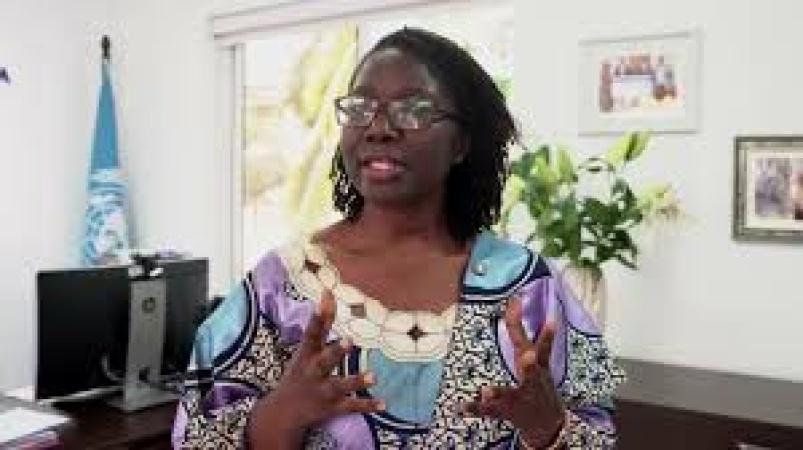
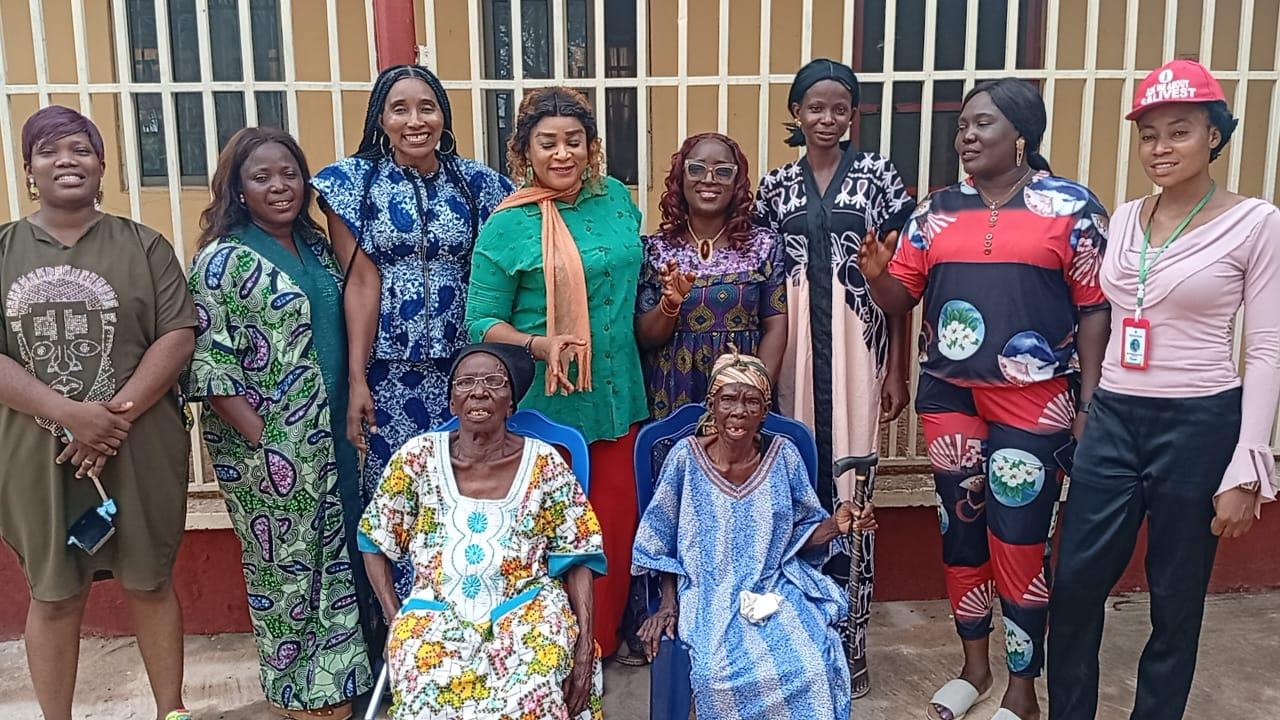
Here's a bit of good news for journalists in Abuja: 480 of them just got enrolled in a health insurance scheme run by the Federal Capital Territory Administration. The head of the FCT Health Insurance Scheme, Dr. Adedolapo Fasawe, made the announcement, and she says they're not stopping there. They're planning to bring another 50 journalists under the plan's coverage soon.
Now, if you've been following the media landscape in Nigeria, you know this isn't just a nice-to-have perk. Journalists here often work on tight contracts or as freelancers, which means they're usually left out of formal benefits like health insurance. Getting sick can be a major financial crisis. So, this move directly tackles a real vulnerability for the people who report the news.
Dr. Fasawe's announcement didn't go into the nitty-gritty details of the plan, like what specific treatments are covered or how much premiums cost. But the core fact is clear: hundreds of media workers in the capital now have access to a structured healthcare safety net they probably didn't have before. That's a concrete step toward professionalizing and securing the press corps.
Why should you care, even if you're not a journalist? A healthy, functioning press is a cornerstone of any democracy. When reporters are worrying about how to pay for a doctor's visit, it's harder for them to do their jobs holding power to account. Providing this basic security helps create the conditions for more robust and independent journalism.
This initiative fits into a broader, and often bumpy, national push to expand health insurance coverage across Nigeria. The FCT scheme is one piece of that puzzle, and focusing on a specific professional group like journalists is an interesting approach. It's a targeted intervention rather than a blanket rollout.
Of course, there are questions left unanswered. How were these 480 journalists selected? Is the scheme open to all journalists working in the FCT, or is there a cap? And what about the thousands of other informal sector workers in Abuja who also lack coverage? This program helps one group, but it also highlights the massive gap that still exists for everyone else.
Looking ahead, the next tangible step is enrolling those additional 50 journalists. Dr. Fasawe and her team will be working on that in the coming weeks. The success of this pilot for journalists could also serve as a model for extending similar benefits to other vulnerable professional groups within the capital's workforce.
So, while it's a limited program, it's a significant one for the people it touches. It's a recognition that the work journalists do has value—and that their well-being matters. The real test will be in the execution: making sure the coverage is meaningful and the system works when people need to use it. That's the part everyone will be watching.