The Federal Government has issued a formal warning to the Nigerian public about potential economic repercussions stemming from the escalating crisis in the Middle East. The alert, dated March 10, 2026, represents a preemptive effort to manage expectations regarding the cost of living, directly connecting international conflict to domestic price stability.
The Link Between Global Conflict and Local Prices
Officials confirm that the core concern is the disruption of vital global supply chains. The Middle East is a critical transit corridor for energy and other commodities. Prolonged instability that affects shipping lanes or production can swiftly lead to inflationary pressures worldwide. For an import-dependent economy like Nigeria's, such disruptions have an immediate and pronounced impact.
Vulnerabilities in Fuel and Food Sectors
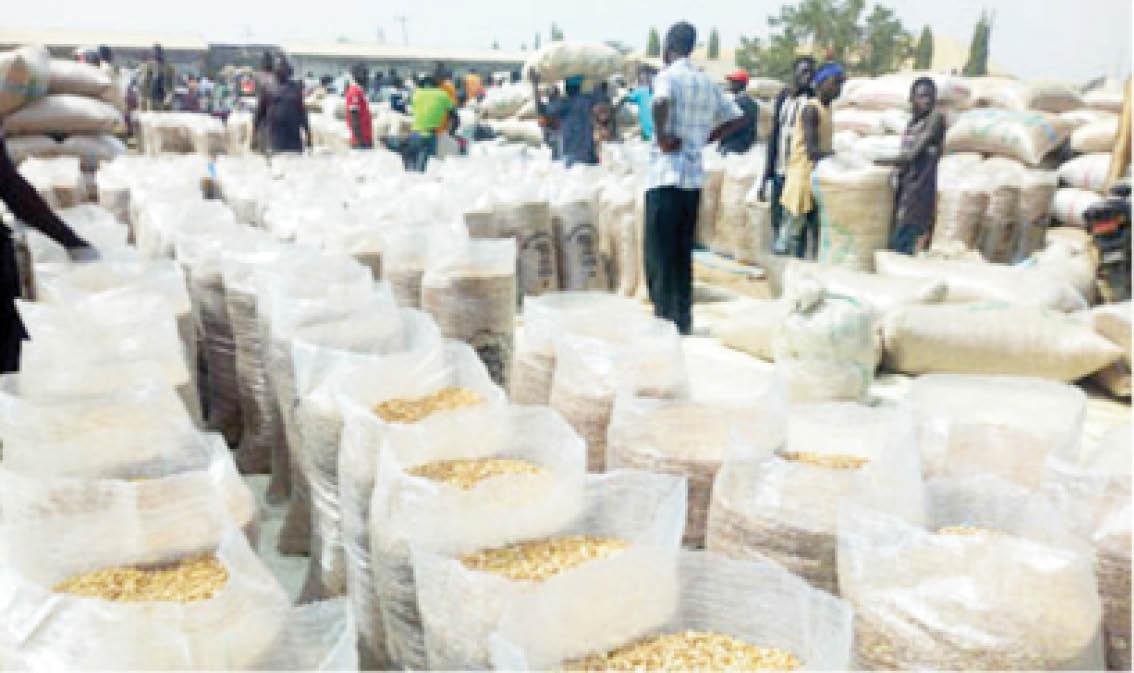
The warning specifically highlights risks to the costs of fuel and food—two pillars of household expenditure. Nigeria relies significantly on imported refined petroleum products and a substantial portion of its food supply. A shock to global energy markets or maritime logistics would, therefore, translate directly into higher prices at local fuel stations and markets across the nation.
A Reminder of Economic Interconnectedness
This government communication underscores a stark reality of the modern global economy: geopolitical crises thousands of miles away can have tangible local consequences. It serves as a clear reminder of Nigeria's vulnerability to external economic shocks. The statement aims to prepare citizens and businesses for potential financial strain in the coming weeks and months, advocating for proactive budgeting and planning.
Monitoring Key Flashpoints
While the warning does not specify a single conflict, the Middle East remains a persistent flashpoint. Authorities are closely monitoring situations that could affect crucial maritime chokepoints like the Strait of Hormuz or the Suez Canal. Any major escalation impacting these routes would trigger rapid, worldwide economic effects. This alert is a standard risk-management procedure during periods of international uncertainty, aiming to foster public awareness and resilience.