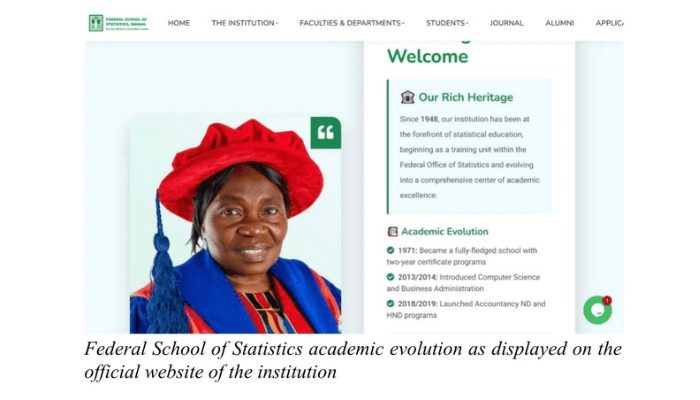
A recent investigation has uncovered that the Federal School of Statistics, a government-affiliated institution, has generated millions in revenue from courses that lack official accreditation. This raises serious concerns about oversight, institutional integrity, and the value delivered to students.
The Core Issue: Accreditation Matters
Accreditation is a fundamental quality assurance mechanism in higher education. It verifies that an institution meets established standards for teaching, resources, and student outcomes. Courses without this validation may not be recognized by employers, professional bodies, or other academic institutions, potentially rendering the time and financial investment by students worthless.
The Investigation's Focus
Investigators are now examining the internal approvals process that allowed these unaccredited courses to be developed, marketed, and sold. Key lines of inquiry include:
- Whether senior administrators were aware of the accreditation deficit.
- What internal controls failed to prevent the situation.
- A review of the school's recruitment materials and student contracts for potential misrepresentation.
The revenue from these courses, referred to in documents as 'dark millions,' represents a significant income stream for the institution, possibly masking other budgetary issues and creating a disincentive to pursue proper accreditation.
The Human Cost: Student Futures in Limbo
The most immediate impact falls on the students. Those who completed these courses now face uncertain futures, as their qualifications may be rejected for further study or professional certification. This effectively nullifies their educational investment and delays their career progression.
Looking Ahead
This case highlights critical vulnerabilities in educational oversight. The findings will likely prompt calls for stricter auditing of course accreditation claims and greater transparency for students before enrollment.