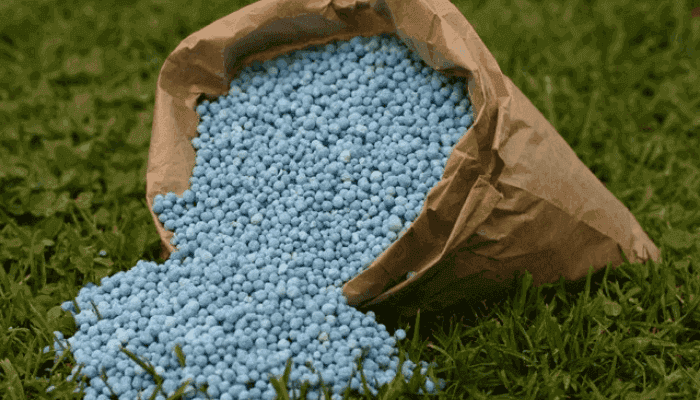
A sudden 11% surge in global fertilizer prices is rattling agricultural markets and setting the stage for the next wave of food inflation. This increase represents a direct hit to the cost of producing staple crops worldwide, from wheat fields in North America to corn plots in South Asia.
The Farmer's Dilemma
Farmers are now caught between absorbing the higher costs—squeezing their already tight margins—or passing them along the supply chain. The latter path leads almost inevitably to more expensive bread, pasta, and vegetables on supermarket shelves, adding pressure to household budgets still strained by persistent inflation.
How Fertilizer Costs Drive Food Prices
Fertilizer is a non-negotiable input in modern agriculture, essential for maximizing crop yields on limited arable land. When its price rises, the production cost for nearly every major food commodity rises in lockstep. This creates a direct pipeline for inflation, moving from the farm gate to the dinner plate within a single growing season.
A Warning from History
Historical data shows a strong correlation between fertilizer cost spikes and subsequent increases in food price indices. Past surges have reliably preceded periods of heightened food inflation, affecting both developed and developing economies. The current jump suggests this pattern is likely to repeat, complicating central banks' ongoing efforts to tame overall inflation.
Vulnerable Regions at Risk
Areas heavily dependent on imported fertilizer, including parts of Africa, South Asia, and Latin America, are particularly exposed. Local farmers there often operate on razor-thin margins with little capacity to hedge against input cost volatility. The risk is a reduction in fertilizer use, leading to lower crop yields and exacerbating existing food shortages.
The Road Ahead
While large agribusinesses in developed economies may have more tools to manage the cost hike, consumers everywhere will likely feel the pinch. This price shock threatens to prolong the global cost-of-living crisis and underscores the fragile interconnectedness of our food systems.


