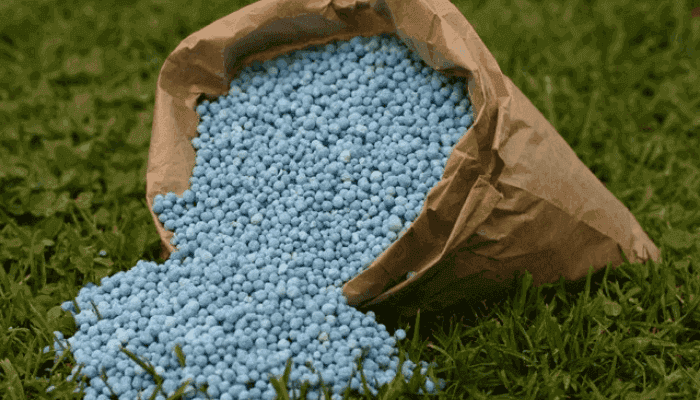
A sudden 11% jump in fertilizer prices is sending shockwaves through the agricultural sector and raising alarms about a potential new wave of food price inflation for consumers.
The Role of Fertilizer in Our Food System
Fertilizer is a non-negotiable component of modern agriculture. Think of it as a essential vitamin supplement for farmland. Crops like corn, wheat, and soybeans extract vital nutrients—primarily nitrogen, phosphorus, and potassium—from the soil as they grow. Farmers apply fertilizer to replenish these nutrients, ensuring healthy plant development and maximizing yield per acre. Without it, global food production would plummet.
Why an 11% Increase Matters on the Farm
This price hike is particularly significant because fertilizer represents one of the largest variable costs for any farm operation. For a typical row-crop farmer, expenses for seed, fuel, and fertilizer form the core of their annual budget. A double-digit percentage increase in one of these pillars creates immediate financial pressure. To maintain profitability, farmers often have little choice but to pass some of this increased cost forward when they sell their harvest.
The Domino Effect: From Field to Supermarket
This process is a classic example of 'input cost inflation.' It begins with a raw material—here, fertilizer—becoming more expensive. That higher cost makes the end product—food—more expensive to produce. The chain reaction is straightforward:
- Farmers pay more for fertilizer.
- They charge more for their grains and oilseeds to compensate.
- Food processors (making bread, cereal, cooking oil, animal feed) face higher raw material costs.
- Distributors and retailers then receive more expensive goods from processors.
- Consumers ultimately see higher price tags on supermarket shelves.
The Broader Impact on Food Inflation
This development threatens to stall or reverse the recent cooling of food price inflation. After over a year of painfully high grocery bills, any sustained increase in a fundamental input like fertilizer poses a direct risk to household budgets. Consumers should be prepared for the possibility of renewed price pressures on staple items derived from major crops, including bakery products, cereals, and cooking oils, in the months ahead. The health of the entire food supply chain is inextricably linked to the cost of growing its foundation.