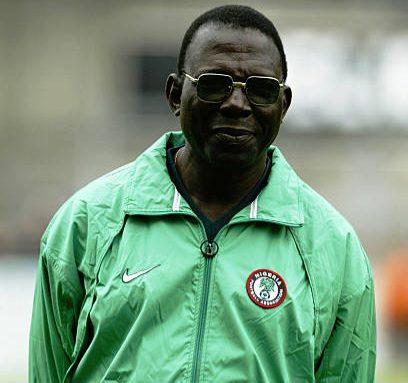
Festus Onigbinde, the former head coach of Nigeria's national football team, has died at the age of 88. His passing marks the end of an era for Nigerian football, closing the chapter on one of its most foundational figures.
The Historic 1994 World Cup Qualification
Onigbinde's legacy is forever cemented by a singular, historic achievement: guiding the Super Eagles to their first-ever FIFA World Cup. The 1994 qualification for the tournament in the United States was a dramatic national milestone. It culminated in a decisive victory over Algeria, transforming Nigeria from a continental power into a recognized global football presence. For millions, that team's success became a profound source of national pride and unity.
A Disciplinarian's Legacy
His tenure defined a generation. Onigbinde's teams were known for their discipline, tactical organization, and structured play—hallmarks of his coaching philosophy. This approach was crucial in navigating the intense pressure of World Cup qualification in Africa. Beyond the historic win, he was a respected tactician whose methods shaped countless players, including future stars like Sunday Oliseh and Jay-Jay Okocha, who have credited his foundational work.
A Blueprint for Nigerian Coaching
Onigbinde's career arc—from player to successful club coach and then national team manager—provided a blueprint for indigenous coaching talent in Nigeria. His influence spanned decades, making him a symbol of sporting progress.
A Void in Football History
His death leaves a significant void. Tributes from former players, colleagues, and fans are pouring in, remembering him as a pillar of the game. The Nigerian Football Federation (NFF) now faces the task of formally honoring his immense contributions. His passing also prompts a period of reflection on the development of homegrown coaching within the country's football ecosystem.